Small Business Insurance: Safeguarding Your Company's Assets
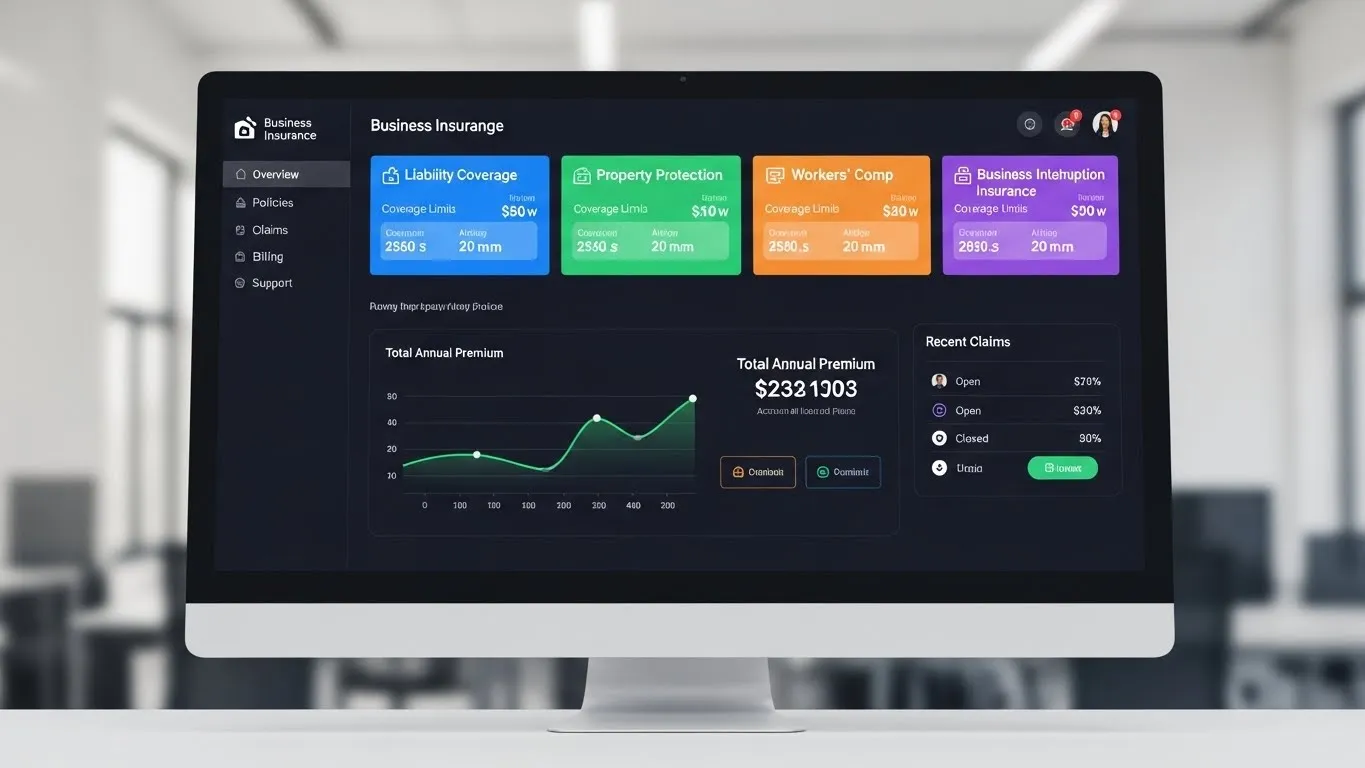
Small Business Insurance: Safeguarding Your Company's Assets
Running a small business is a journey filled with passion, innovation, and hard work. However, alongside the opportunities for growth and success, there are also inherent risks that can threaten your venture's stability. This is where small business insurance plays a critical role. It acts as a financial safety net, protecting your company's valuable assets from unforeseen events, legal liabilities, and economic downturns. Without adequate coverage, a single incident could potentially jeopardize everything you've built.
Investing in the right small business insurance isn't just a cost; it's a strategic decision to ensure the long-term health and resilience of your enterprise. It provides peace of mind, allowing you to focus on what you do best – growing your business.
Key Points:
- Asset Protection: Safeguard physical property, equipment, and inventory.
- Liability Coverage: Protect against claims of injury or damage.
- Business Interruption: Offset income loss due to covered events.
- Employee Protection: Cover workers' compensation and other employee-related risks.
- Future Financial Security: Ensure your business can recover from unexpected setbacks.
Understanding Essential Small Business Insurance Policies
Navigating the world of business insurance can seem complex, but understanding the core types of coverage available is the first step to making informed decisions. Each policy is designed to address specific risks, offering tailored protection for different aspects of your operation. Properly selecting these policies is fundamental to safeguarding your company's assets.
General Liability Insurance: The Foundation of Protection
One of the most fundamental types of coverage for any small business is General Liability Insurance. This policy protects your company from claims of bodily injury, property damage, and personal or advertising injury that may arise from your business operations, products, or services.
For instance, if a customer slips and falls in your store and injures themselves, or if your product causes damage to a client's property, general liability insurance can cover the resulting medical expenses, repair costs, and legal defense fees. This is crucial for protecting your business from potentially devastating lawsuits.
Commercial Property Insurance: Securing Your Physical Assets
Your business premises, equipment, inventory, and other physical assets are vital to your operations. Commercial Property Insurance provides financial protection against damage or loss to these tangible assets due to events such as fire, theft, vandalism, or natural disasters.
This coverage is indispensable for businesses that own or lease physical space, operate a retail store, or possess valuable equipment. Without it, replacing damaged or stolen property could be an overwhelming financial burden. For example, a fire at your workshop could destroy expensive machinery, and property insurance would help cover the cost of replacement, allowing you to resume operations sooner.
Business Interruption Insurance: Keeping Operations Running
Unexpected events, like a fire or a major equipment failure, can force your business to temporarily close its doors. Business Interruption Insurance (also known as Business Income Insurance) is designed to help offset the loss of income and cover ongoing operating expenses during such periods.
This coverage can be a lifeline, helping you pay rent, salaries, and other essential bills while you work to get your business back up and running. It's a critical component of safeguarding your company's assets from unforeseen operational halts. A study by the Federal Emergency Management Agency (FEMA) highlighted that a significant percentage of small businesses struggle to reopen after a disaster, underscoring the value of this type of protection.
Professional Liability Insurance: For Service-Based Businesses
If your business provides professional services or advice, such as consulting, accounting, or legal services, Professional Liability Insurance (also known as Errors & Omissions or E&O insurance) is essential. This policy protects you against claims of negligence, errors, or omissions in the professional services you provide.
Even with the utmost care, mistakes can happen, and incorrect advice or oversights can lead to significant financial losses for your clients. Professional liability insurance can cover the legal costs and damages awarded in such cases, protecting your reputation and financial stability. For example, a software developer might be sued for a bug in their code that caused a client to lose revenue, making E&O insurance a vital safeguard.
Workers' Compensation Insurance: Protecting Your Employees
If you have employees, Workers' Compensation Insurance is not only a legal requirement in most places but also a crucial ethical responsibility. This insurance provides benefits to employees who get injured or become ill as a direct result of their job.
It covers medical expenses, rehabilitation costs, and lost wages. Importantly, it also protects your business from lawsuits by employees for workplace injuries, as accepting workers' comp benefits typically bars them from suing their employer. This is a cornerstone of employee welfare and a key aspect of small business insurance that fosters a secure working environment.
Beyond the Basics: Additional Coverages to Consider
While the core policies above address common risks, your business may have unique vulnerabilities that require specialized insurance. Exploring these additional options can further fortify your company's defenses.
Commercial Auto Insurance
If your business uses vehicles for operations – whether it's a delivery van, a company car, or a fleet of trucks – you’ll need Commercial Auto Insurance. This policy is similar to personal auto insurance but is designed for the specific risks associated with business use. It covers liability for accidents, damage to the vehicles, and potentially other related costs.
Cyber Liability Insurance
In today's digital age, businesses of all sizes are vulnerable to cyber threats. Cyber Liability Insurance can protect your business from the financial consequences of data breaches, cyber-attacks, and other electronic risks. This can include the costs of notifying affected customers, credit monitoring services, forensic investigations, and potential regulatory fines. This is an increasingly important consideration for safeguarding digital assets and customer data.
Employment Practices Liability Insurance (EPLI)
Employment Practices Liability Insurance protects your business against claims made by employees alleging discrimination, wrongful termination, sexual harassment, or other employment-related issues. As your team grows, so does the potential for these types of disputes, making EPLI a valuable layer of protection for business owners.
Differentiated Value and Latest Trends in Small Business Insurance
The landscape of small business insurance is constantly evolving, driven by emerging risks and new technologies. Staying informed about these trends can help you secure more comprehensive and cost-effective protection.
Proactive Risk Management Integration
A key differentiator in modern small business insurance is the shift towards proactive risk management. Instead of just reacting to claims, many insurers are now offering resources and tools to help businesses prevent losses. This can include safety assessments, cybersecurity training, and compliance guidance. For example, a policyholder might receive discounted rates for implementing specific data security protocols recommended by the insurer. This approach aligns with an emphasis on safeguarding your company's assets through prevention rather than solely through financial recovery.
Tailored Coverage for the Gig Economy and Remote Work
The rise of the gig economy and widespread remote work has created new insurance needs. Some insurers are now developing specialized policies or endorsements for businesses that rely heavily on independent contractors or have a dispersed workforce. This can address liability issues that might arise from work performed off-site or by individuals not directly employed by the company. This adaptability reflects a forward-thinking approach to small business insurance that caters to modern business structures.
Data-Driven Underwriting and Pricing
Insurers are increasingly using data analytics to better assess risk and offer more personalized pricing. This means businesses with strong risk management practices may be rewarded with lower premiums. Understanding your business's specific risk profile and actively working to mitigate it can lead to more favorable insurance terms. A report from the Insurance Information Institute (2024) indicated a growing reliance on data analytics for risk assessment in commercial lines.
Emphasis on Business Resilience
Beyond simple financial compensation, there's a growing focus on ensuring business resilience. Some insurance packages now include access to business continuity planning services or disaster recovery specialists. This aims to help businesses not just recover from a loss, but to emerge stronger and more prepared for future disruptions. This holistic view of safeguarding your company's assets extends beyond mere financial protection.
E-E-A-T: Expertise, Experience, and Evidence in Small Business Insurance
As a business owner, your experience in managing operations provides a unique perspective on the risks you face. When evaluating small business insurance, consider how your day-to-day realities translate into insurance needs. For instance, if you frequently deal with volatile supply chains, understanding how business interruption insurance applies to supply chain disruptions is crucial.
Actual cases demonstrate the critical nature of these policies. Consider a small restaurant that experienced a two-week closure due to a faulty refrigeration system. Without business interruption insurance, the lost revenue and ongoing costs of rent and utilities could have been catastrophic. Fortunately, with the right coverage, the business was able to weather the storm. This real-world scenario highlights the practical value of small business insurance in maintaining operational continuity.
Data from the U.S. Small Business Administration (2023) consistently shows that businesses lacking adequate insurance are significantly more likely to fail following a major disruptive event. This underscores the importance of evidence-based decision-making when choosing policies.
FAQ: Frequently Asked Questions About Small Business Insurance
What is the most important type of small business insurance?
The most important type of insurance often depends on your specific industry and business activities. However, General Liability Insurance is widely considered foundational, protecting against common third-party claims of bodily injury or property damage.
How much does small business insurance cost?
The cost varies significantly based on factors like your industry, business size, revenue, claims history, and the types of coverage you choose. It's best to get personalized quotes from multiple insurers to understand pricing.
Can I get small business insurance online?
Yes, many insurers and brokers now offer online quoting and purchasing options for small business insurance, making the process more accessible and convenient.
When should I review my small business insurance policy?
It's recommended to review your policy annually, or whenever significant changes occur in your business, such as expanding operations, adding new products or services, increasing revenue, or hiring more employees.
Conclusion: Proactively Protect Your Business Future
Choosing the right small business insurance is an investment in your company's future. It's about mitigating risks, protecting your hard-earned assets, and ensuring you can navigate unexpected challenges with confidence. By understanding the essential policies and staying informed about evolving industry trends, you can build a robust safety net that supports your business growth and long-term stability. Don't wait for an incident to happen – take proactive steps today to safeguard your company's success.
For more information on understanding financial planning for small businesses, readers can explore related articles on budgeting and financial forecasting.
What are your biggest concerns when it comes to safeguarding your company's assets? Share your thoughts and questions in the comments below! Don't forget to subscribe for more insights on protecting and growing your business.