Small Business Insurance: Essential Coverages to Protect Your Company's Future
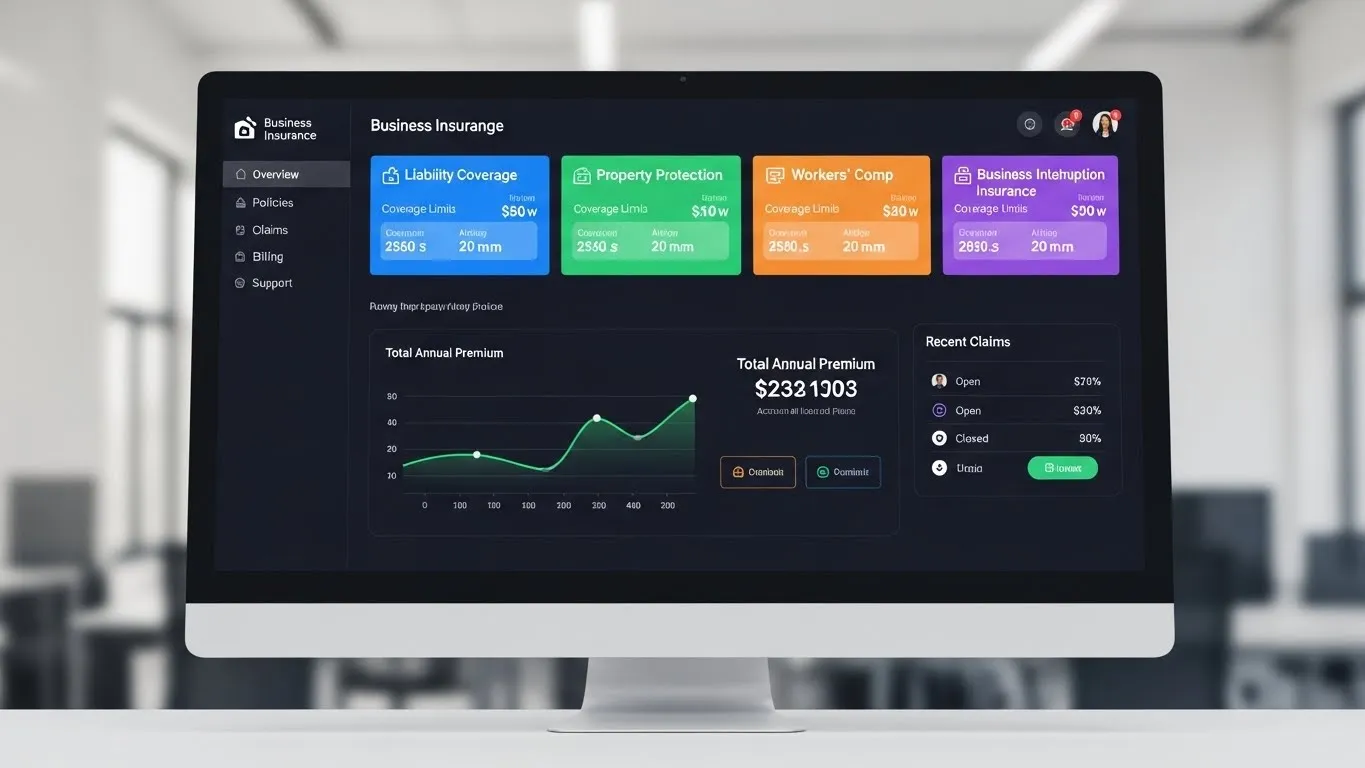
Small Business Insurance: Safeguarding Your Company's Future
Running a small business is a journey filled with passion, innovation, and significant personal investment. However, this journey also comes with inherent risks that, if left unaddressed, could jeopardize everything you've worked hard to build. This is where small business insurance becomes not just a prudent choice, but an essential foundation for your company's stability and longevity. Adequate coverage acts as a critical safety net, protecting your assets, employees, and reputation from unforeseen challenges like lawsuits, natural disasters, or operational disruptions.
Understanding the landscape of small business insurance can seem daunting, but it doesn't have to be. This guide will demystify the essential coverages, helping you make informed decisions to secure your enterprise against potential financial setbacks. Proactive risk management, underpinned by comprehensive insurance, is key to navigating the unpredictable world of entrepreneurship with confidence.
Key Points for Small Business Insurance
- Risk Mitigation: Insurance protects against significant financial losses from lawsuits, property damage, and operational halts.
- Legal Compliance: Many policies, like Workers' Compensation, are legally required for businesses with employees.
- Asset Protection: Safeguards physical property, intellectual assets, and financial stability.
- Peace of Mind: Allows business owners to focus on growth, knowing core risks are covered.
- Customized Solutions: Policies can be tailored to the unique needs and industry of each small business.
Understanding Essential Small Business Insurance Coverages
For any small business owner, comprehending the various types of small business insurance available is the first step toward comprehensive protection. Each policy serves a distinct purpose, addressing different facets of risk that your company might encounter. Building a robust insurance portfolio involves identifying which coverages are most relevant to your specific operations, industry, and employee structure.
General Liability Insurance: Your First Line of Defense
General Liability Insurance, often referred to as "slip-and-fall" insurance, is arguably one of the most fundamental coverages for any small business. It protects your business from claims of bodily injury or property damage that occur on your business premises or due to your business operations. This can include anything from a customer slipping and falling in your store to accidental damage caused by an employee at a client's site.
This coverage typically helps pay for legal defense costs, settlements, and medical expenses. Without it, a single accident could lead to substantial out-of-pocket expenses that could cripple a small operation. Most landlords and clients will require proof of general liability insurance before entering into agreements.
Protecting Your Physical Assets with Commercial Property Insurance
Commercial Property Insurance is vital for safeguarding your business's physical assets. This policy covers damage to your business property—such as your building, equipment, inventory, and furniture—from perils like fire, theft, vandalism, and certain natural disasters. For businesses operating from a physical location, or those with significant equipment investments, this coverage is non-negotiable.
It's important to understand what specific perils are covered and excluded in your policy. Floods and earthquakes, for example, often require separate, specialized coverage. Reviewing your policy details annually ensures that your coverage limits accurately reflect the current value of your assets.
Business Interruption Insurance: Staying Afloat During Disruptions
Imagine a fire forcing your business to close its doors for several months. While commercial property insurance would cover the physical damage, how would you manage lost income and ongoing expenses during the repair period? This is where Business Interruption Insurance, also known as Business Income Insurance, steps in. It replaces lost income and covers operating expenses like rent, utilities, and payroll when your business is temporarily unable to operate due to a covered peril.
This coverage is crucial for ensuring your business can recover and reopen without succumbing to financial strain. According to a 2024 report by the National Association of Insurance Commissioners (NAIC), nearly 40% of small businesses fail to reopen after a major disaster if they lack adequate business interruption coverage. It's a key component of a comprehensive small business insurance strategy.
Ensuring Employee Welfare with Workers' Compensation Insurance
If your business has employees, Workers' Compensation Insurance is almost certainly a legal requirement. This policy provides medical benefits and wage replacement to employees who are injured or become ill as a direct result of their job duties. It also offers protection to your business by limiting an employee's right to sue you for workplace injuries.
The specific requirements for Workers' Compensation vary significantly by state. It's essential to understand your state's laws regarding coverage thresholds and employee classifications. This coverage is not just about compliance; it demonstrates your commitment to employee well-being and helps maintain a positive work environment. For more detailed information on employee protection, consider exploring /articles/understanding-workers-compensation-benefits.
Professional Liability Insurance (E&O): Protecting Your Expertise
For businesses that provide professional advice or services, Professional Liability Insurance, also known as Errors and Omissions (E&O) Insurance, is indispensable. This coverage protects against claims of negligence, misrepresentation, errors, or omissions in the professional services you provide. Think consultants, accountants, web developers, or marketing agencies.
Even with the best intentions, mistakes can happen, or clients may claim dissatisfaction. E&O insurance covers the costs of defending against such lawsuits and any resulting settlements or judgments. It protects your professional reputation and financial stability from claims related to your advice or services.
Commercial Auto Insurance: On the Road Protection
If your business owns or leases vehicles, or if employees use their personal vehicles for business purposes, Commercial Auto Insurance is a necessity. This policy covers vehicles used for business operations, protecting against liability for accidents, property damage, and medical expenses. Unlike personal auto policies, commercial policies are designed to cover the higher risks associated with business use.
Whether it's a delivery van, a company car, or an employee making client visits in their own vehicle, ensure proper coverage is in place. Failing to have adequate commercial auto insurance can expose your business to significant financial risk in the event of an accident.
Cyber Liability Insurance: A Modern-Day Essential
In today's digital landscape, cyber threats are a growing concern for businesses of all sizes. Cyber Liability Insurance provides crucial protection against the financial fallout of data breaches and other cyberattacks. This can include costs associated with notifying affected customers, credit monitoring, legal fees, forensic investigations, and reputation management.
Many small businesses mistakenly believe they are too small to be targets. However, hackers often see SMBs as easier targets with weaker defenses. According to a 2023 report from the Cyber Security Alliance, small businesses are responsible for nearly half of all reported cyber incidents. Implementing robust cybersecurity measures alongside a strong Cyber Liability Insurance policy is a proactive strategy to protect sensitive data and maintain customer trust. Consider this a key differentiator for modern small business insurance packages. For more on preventative measures, visit /articles/cybersecurity-for-small-businesses-a-preventative-approach.
Key Person and Disability Income Protection: Investing in Human Capital
Often overlooked, Disability and Income Protection within a business context is paramount, especially for small businesses where a few key individuals drive success. Key Person Insurance provides a payout to the business if a critical employee or owner becomes disabled or passes away. This financial cushion helps the business cover immediate expenses, recruit a replacement, and manage operational impacts during a difficult transition.
Similarly, Disability Income Insurance for business owners can ensure personal income continues if they become unable to work due to a disability. This falls directly under the essential category of Disability and Income Protection, safeguarding not only the individual's livelihood but also preventing their personal financial distress from impacting the business. Including these elements in your small business insurance strategy demonstrates a holistic approach to risk management.
Differentiated Value: Tailored Solutions and Proactive Risk Assessment
Many businesses simply buy off-the-shelf insurance packages. However, truly effective small business insurance strategies are built on tailored solutions and a proactive risk assessment approach. Instead of a one-size-fits-all policy, consider working with an independent broker who can analyze your specific industry risks, operational procedures, and growth plans. This allows for a customized package that only includes necessary coverages, potentially saving costs while maximizing protection.
Furthermore, leveraging data and industry trend analysis can significantly enhance your insurance strategy. For instance, with the increasing frequency of extreme weather events, businesses in certain regions might benefit from enhanced flood or earthquake riders, even if not legally mandated. A comprehensive risk audit conducted annually, possibly with the help of a risk management consultant, can identify evolving vulnerabilities and ensure your insurance portfolio remains current and effective. This forward-looking approach differentiates mere compliance from true risk resilience.
Authoritative Insights on Business Resilience
The importance of robust small business insurance is consistently highlighted across the industry. "Many small business owners underestimate their exposure to common risks," notes a 2025 whitepaper by Business Insurance Today. "A surprising number of businesses lack sufficient coverage for business interruption, leaving them vulnerable to extended recovery periods post-disaster."
Furthermore, the shift towards digital operations has escalated the need for specialized protection. "Cyber liability is no longer an optional add-on; it's a core component for any modern business," stated the Small Business Protection Institute in their 2024 market analysis. Their data shows a 15% year-over-year increase in cyberattack claims against SMBs. These insights underscore the dynamic nature of business risks and the constant need to adapt insurance strategies.
Frequently Asked Questions About Small Business Insurance
Q1: How do I determine the right amount of small business insurance coverage?
A1: Determining the right coverage involves assessing your specific risks, asset values, industry regulations, and potential liabilities. Consider factors like your industry, number of employees, physical location, revenue, and the types of services or products you offer. Consulting with an experienced insurance professional is highly recommended to conduct a thorough risk assessment and tailor a policy that meets your unique needs without over-insuring or under-insuring.
Q2: Is small business insurance tax-deductible?
A2: Yes, in most cases, premiums paid for small business insurance policies are considered ordinary and necessary business expenses by the IRS. This means they are generally tax-deductible, which can help reduce your overall tax burden. It's always advisable to consult with a tax professional or accountant to understand the specific tax implications for your business and ensure proper deductions are claimed.
Q3: Can I combine multiple types of business insurance into one policy?
A3: Absolutely. Many insurers offer Business Owner's Policies (BOPs), which combine General Liability, Commercial Property, and Business Interruption Insurance into a single, convenient package. This often results in cost savings compared to purchasing each policy separately. Depending on your business, you might also be able to add other coverages, like cyber liability, to create a more comprehensive and tailored bundle.
Q4: How often should I review my small business insurance policies?
A4: You should review your small business insurance policies at least annually, or whenever significant changes occur within your business. Major changes include hiring new employees, expanding operations, purchasing new equipment, changing your business location, or introducing new products or services. Regular reviews ensure your coverage remains adequate and reflective of your current business risks and asset values.
Secure Your Business's Future Today
Investing in the right small business insurance is an investment in your company's stability, growth, and long-term success. It's not merely a cost but a vital safeguard that empowers you to take calculated risks, innovate, and expand with confidence. Don't wait for a crisis to realize the importance of comprehensive protection.
Take the proactive step today to assess your business's vulnerabilities and explore tailored insurance solutions. We encourage you to consult with a qualified insurance broker who specializes in small business needs to customize a plan that truly protects your unique enterprise. Share your experiences or questions in the comments below – your insights could help other entrepreneurs on their journey to secure their future!
Extended Reading Suggestions:
/categories/disability-income-protection/articles/navigating-business-interruption-claims/articles/understanding-workers-compensation-benefits
Note on Timeliness: This article was published on December 7, 2025. The information provided is current as of this date. Insurance regulations and market conditions can change; therefore, regular review of policies and consultation with professionals is always recommended.
Future Subtopics to Explore:
- Micro-Insurance for Solopreneurs: Tailored policies for single-person businesses and freelancers.
- Risk Management Strategies Beyond Insurance: Implementing internal controls and safety protocols.
- Global Business Insurance: Navigating international risks and cross-border operations.