Small Business Insurance: Essential Coverage for Your Company Needs
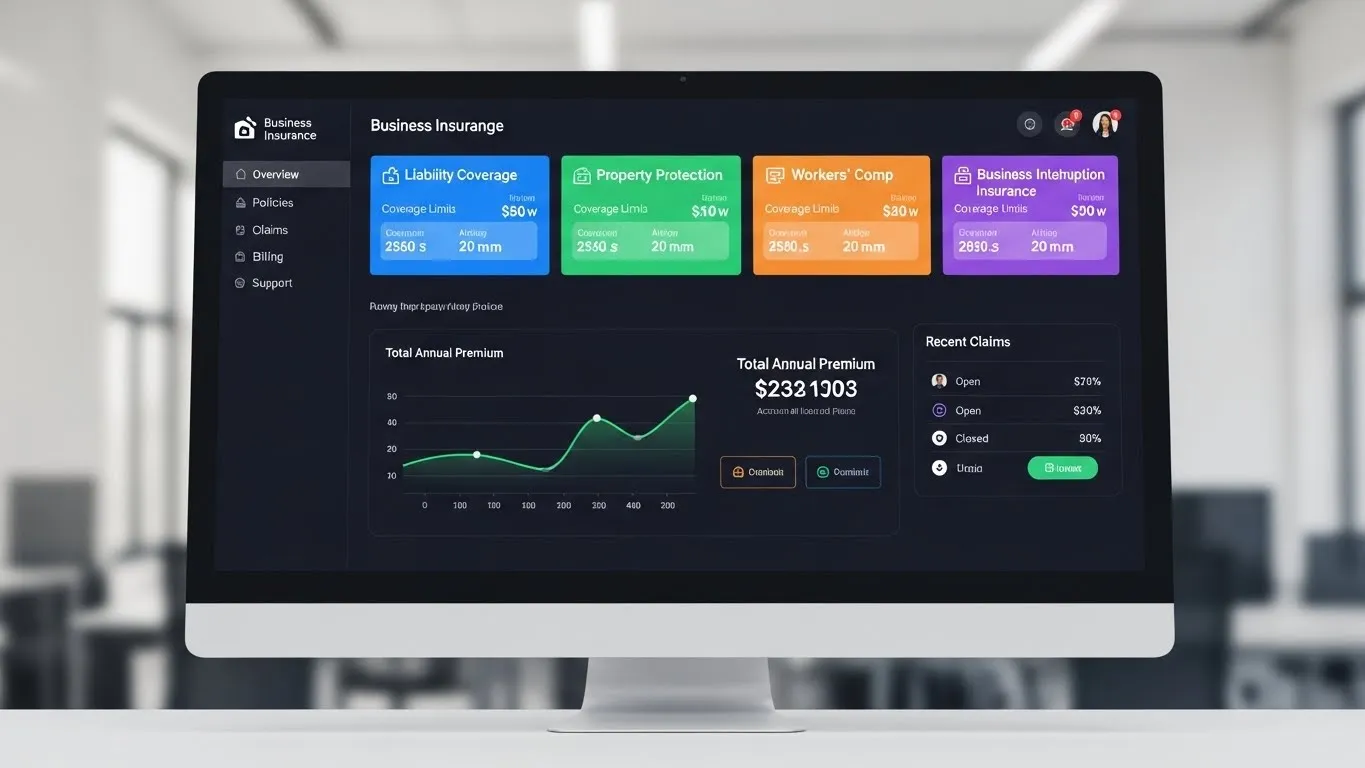
Small Business Insurance: Essential Coverage for Your Company Needs
Running a small business is a challenging yet rewarding endeavor. You pour your heart, soul, and resources into building something unique, but the reality is that unforeseen events can threaten your hard-earned progress. This is where robust small business insurance becomes not just an option, but a critical necessity. Protecting your company from financial devastation due to accidents, lawsuits, or operational disruptions is paramount to its survival and continued growth. Investing in the right insurance policies provides a vital safety net, allowing you to focus on what you do best – running and growing your business.
Key Points:
- Mitigate Financial Risks: Protect against unexpected claims and liabilities.
- Ensure Business Continuity: Maintain operations after a disruptive event.
- Meet Contractual Obligations: Many clients and lenders require specific insurance.
- Protect Personal Assets: Safeguard your personal wealth from business liabilities.
- Peace of Mind: Operate with confidence, knowing you’re covered.
Understanding the Importance of Small Business Insurance
The landscape of running a business is fraught with potential risks. From a customer slipping on your premises to a data breach compromising sensitive client information, the possibilities for costly incidents are numerous. Without adequate small business insurance, a single claim could lead to financial ruin, forcing you to close your doors. Insurance acts as a shield, absorbing the financial impact of these events so your business can recover and continue serving its customers. It’s about risk management – identifying potential threats and putting proactive measures in place.
Many small business owners often overlook the necessity of insurance until it's too late. This oversight can stem from a perception of cost or a lack of understanding about the specific risks their industry faces. However, the cost of being uninsured far outweighs the cost of premiums. Think of it as an investment in the longevity and stability of your enterprise. Furthermore, certain types of insurance are mandated by law or required by contracts, making them indispensable for legitimate business operations.
Why Small Businesses Need Comprehensive Insurance Coverage
Consider the variety of scenarios where insurance is indispensable:
- A delivery driver in your company causes an accident, leading to medical bills and property damage.
- A former employee files a wrongful termination lawsuit.
- Your business property is damaged by fire or a natural disaster.
- A cyber-attack leads to a significant data breach, requiring costly remediation.
- A product you manufactured or service you provided causes harm to a customer.
These are just a few examples, highlighting the diverse range of liabilities and risks that small businesses face daily. Small business insurance policies are designed to address these specific threats, providing financial recourse and legal defense when you need it most.
Essential Small Business Insurance Policies Explained
Navigating the world of business insurance can seem daunting, but understanding the core policy types is the first step. These policies are the building blocks of a comprehensive risk management strategy for any small enterprise.
General Liability Insurance (GL)
This is arguably the most fundamental type of small business insurance. General Liability insurance protects your business from claims of bodily injury, property damage, and personal or advertising injury. If a customer slips and falls in your store, or if your product accidentally damages a client's property, GL insurance can cover the medical expenses, repair costs, and legal fees associated with the claim. It’s a critical component for businesses with physical locations or those interacting directly with the public.
Professional Liability Insurance (E&O)
Also known as Errors & Omissions (E&O) insurance, this policy is vital for businesses that provide professional services or advice. It protects against claims of negligence, errors, or omissions in the services you provide. For example, a consultant who gives incorrect advice that leads to a client's financial loss could be sued. E&O insurance would cover the legal defense costs and any damages awarded. This is particularly important for consultants, IT professionals, real estate agents, and healthcare providers.
Commercial Property Insurance
If your business owns or rents a physical location, commercial property insurance is essential. This policy covers damage to your building, as well as your business's equipment, inventory, and furniture, resulting from events like fire, theft, or vandalism. Without it, replacing damaged assets could be prohibitively expensive, halting your operations entirely. This coverage is a cornerstone of protecting your physical business infrastructure.
Workers' Compensation Insurance
In most U.S. states, Workers' Compensation insurance is legally required for businesses with employees. This coverage provides benefits to employees who get injured or become ill on the job. It covers medical expenses, lost wages, and rehabilitation costs. It also protects employers from lawsuits by employees for workplace injuries. This policy is a non-negotiable aspect of responsible employer practices.
Business Interruption Insurance
This type of coverage, often an add-on to a commercial property policy, helps replace lost income and cover ongoing operating expenses if your business has to temporarily shut down due to a covered event (like a fire). For instance, if a fire forces your restaurant to close for two months for repairs, business interruption insurance can help pay your rent, payroll, and other bills during that period, preventing financial collapse. This is crucial for ensuring business continuity.
Cyber Liability Insurance
In today's digital age, cyber threats are a significant risk for businesses of all sizes. Cyber liability insurance helps cover the costs associated with data breaches and cyber-attacks. This can include expenses for notifying affected customers, credit monitoring services, public relations, legal fees, and regulatory fines. Even small businesses can be targets, and the financial fallout from a breach can be catastrophic without this specialized small business insurance.
Tailoring Coverage to Your Specific Business Needs
While the policies listed above are common, the ideal insurance package is unique to each business. Several factors influence the type and amount of coverage you'll need:
- Industry: A construction company will have different needs than a software development firm. Certain industries have higher inherent risks that require specialized policies.
- Size of Business: The number of employees, revenue, and physical footprint all impact risk exposure.
- Location: Businesses in areas prone to natural disasters (hurricanes, earthquakes) may need additional coverage.
- Clients and Contracts: Some clients or partners may require you to carry specific types and levels of insurance as a condition of doing business.
- Risk Tolerance: How much financial risk are you willing to absorb yourself versus insuring against?
Differentiated Value Point 1: Proactive Risk Assessment and Customization Many brokers offer a one-size-fits-all approach. However, truly effective small business insurance requires a proactive risk assessment tailored to your specific operational workflows and potential vulnerabilities. This involves understanding your business model, identifying unique exposures (e.g., handling sensitive data, unique product liabilities, complex supply chains), and then recommending a layered insurance strategy. This might include endorsements or specialized policies not typically offered in standard packages. For example, a small e-commerce business might need enhanced product liability due to international shipping and robust cyber insurance to protect customer payment data, alongside standard general liability and property coverage.
Key Considerations for Policy Selection
When reviewing policies, pay close attention to:
- Policy Limits: The maximum amount the insurer will pay for a claim.
- Deductibles: The amount you pay out-of-pocket before the insurance kicks in.
- Exclusions: What the policy does not cover.
- Premiums: The cost of the insurance, typically paid monthly or annually.
A higher deductible often means a lower premium, but ensure you can afford the deductible if a claim arises. It's a balance between cost and financial preparedness.
Differentiated Value Point 2: Emerging Trends in Small Business Risk and Insurance The risk landscape for small businesses is constantly evolving, particularly with the rapid advancement of technology and changing economic conditions. For instance, the rise of remote work introduces new liabilities related to employee data security and ergonomic risks in home environments. Furthermore, increased supply chain disruptions due to global events necessitate a closer look at contingent business interruption coverage. Forward-thinking insurance strategies are now incorporating more dynamic risk monitoring and offering flexible policies that adapt to these shifts. Some insurers are also leveraging AI for faster claims processing and more accurate risk profiling, leading to potentially more competitive premiums for businesses that demonstrate strong risk management practices.
Navigating the Insurance Marketplace
Finding the right small business insurance can feel overwhelming. Here’s how to approach it effectively:
- Assess Your Needs: As outlined above, conduct a thorough risk assessment.
- Research Insurance Providers: Look for insurers specializing in small business coverage or your specific industry.
- Work with an Independent Agent or Broker: An independent agent represents multiple insurance companies and can help you compare quotes and policies. They can offer unbiased advice based on your unique needs.
- Get Multiple Quotes: Don't settle for the first quote you receive. Compare prices, coverage details, and the reputation of different insurers.
- Read the Fine Print: Understand your policy thoroughly before signing. Don’t hesitate to ask questions.
According to a report from the Small Business Administration (SBA) in 2024, over 70% of small businesses reported facing at least one significant risk in the past year, with a substantial portion citing inadequate insurance as a major vulnerability. This underscores the persistent need for robust coverage.
Data Security and Insurance Trends (2024-2025)
Industry analysis from a 2025 report by the Insurance Information Institute highlights that cyber threats continue to be a top concern for small businesses. The average cost of a data breach for a small business is estimated to be over $100,000, making cyber liability insurance a crucial investment. This trend is driving innovation in cyber policies, with more comprehensive coverage for ransomware attacks and business email compromise incidents becoming increasingly available.
Frequently Asked Questions About Small Business Insurance
Q1: How much does small business insurance cost?
The cost of small business insurance varies significantly based on factors like industry, location, coverage types, and the size of your business. A general liability policy might cost anywhere from $300 to $1,000 annually for a small, low-risk business, while more comprehensive packages for higher-risk industries can run into thousands of dollars.
Q2: What is the difference between general liability and professional liability insurance?
General liability insurance covers third-party claims of bodily injury, property damage, and advertising injury. Professional liability insurance, on the other hand, covers claims arising from errors, omissions, or negligence in the professional services or advice your business provides.
Q3: Do I need insurance if I work from home?
Yes, if you operate a business from home, even as a sole proprietor, you likely need specialized insurance. Your homeowner's policy typically doesn't cover business-related risks. Consider home-based business insurance or a rider on your homeowner's policy to cover business equipment, liability for clients visiting your home, and potential business income loss.
Q4: How often should I review my small business insurance coverage?
It's recommended to review your small business insurance coverage at least annually, or whenever significant changes occur within your business. This includes expanding services, hiring new employees, acquiring new assets, or entering new markets. A regular review ensures your policy remains adequate and cost-effective.
Conclusion: Secure Your Business Future Today
Protecting your small business from the myriad of potential risks is not an option; it’s a strategic imperative. Small business insurance provides the financial security and peace of mind necessary to navigate challenges, seize opportunities, and build a sustainable future. By understanding the essential policy types and tailoring coverage to your specific needs, you can create a robust safety net that safeguards your assets, your reputation, and your dreams.
Don't wait for an incident to realize the importance of being adequately insured. Take proactive steps now to explore the best small business insurance options for your company.
What are your biggest concerns about business insurance? Share your thoughts in the comments below!
For further insights into protecting your business assets, consider exploring articles on financial planning for small businesses or understanding contractual obligations.