Making Informed Coverage Decisions: Key Insurance Policy Factors
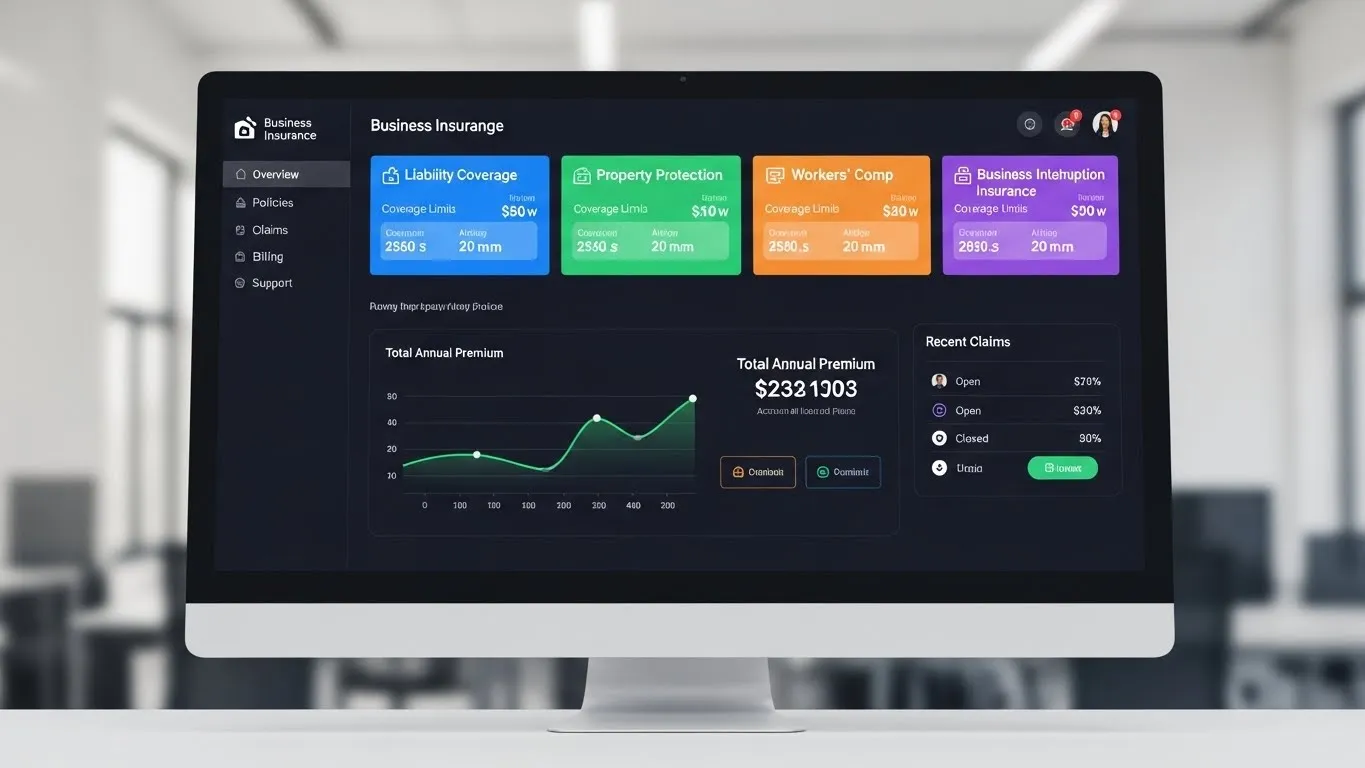
Navigating the world of business insurance can feel complex, but making informed coverage decisions is crucial for safeguarding your enterprise. Understanding the core components and influential factors within an insurance policy empowers you to select the right protection. This guide breaks down the essential elements, helping you move beyond generic policies to tailor coverage that truly meets your specific business needs. By grasping these key insurance policy factors, you can confidently invest in a secure future.
Key Points:
- Risk Assessment: Understanding your unique business risks is paramount.
- Policy Structure: Comprehending deductibles, limits, and premiums.
- Coverage Types: Identifying essential policies for your industry.
- Exclusions & Endorsements: Knowing what's not covered and how to add it.
- Provider Reputation: Choosing a reliable and responsive insurer.
Understanding Your Business Risks: The Foundation of Informed Coverage Decisions
The first and most critical step in making informed coverage decisions is a thorough risk assessment. Every business operates with a unique set of potential hazards, from operational disruptions and property damage to liability claims and employee accidents. Without a clear understanding of these potential threats, you're essentially buying insurance blind.
Identifying Potential Threats
Begin by brainstorming all possible scenarios that could negatively impact your business. Consider your industry, physical location, the nature of your operations, and the goods or services you provide. For a retail store, risks might include theft, customer slip-and-fall accidents, or inventory damage due to a fire. A technology company might face data breaches, professional liability claims arising from software errors, or business interruption due to cyberattacks.
Quantifying Impact and Likelihood
Once potential threats are identified, try to assess their potential impact and likelihood. A severe fire might have a low likelihood but a catastrophic impact. A minor theft might be more frequent but have a less significant financial consequence. This analysis helps prioritize which risks require the most robust insurance coverage. This forms the bedrock for making informed coverage decisions tailored to your specific situation.
Deconstructing Insurance Policies: Key Factors to Scrutinize
Once you've identified your risks, you need to understand the anatomy of an insurance policy to ensure it aligns with your needs. Several key factors dictate how a policy functions and what it will cost you.
Premiums: The Cost of Coverage
Your insurance premium is the amount you pay regularly to maintain your policy. This is influenced by a multitude of factors, including the type of coverage, the level of risk your business presents, your claims history, and the chosen deductible. Understanding how premiums are calculated can help you negotiate better rates or make adjustments to lower costs without compromising essential protection. Be wary of excessively low premiums, as they might indicate inadequate coverage.
Deductibles: Your Share of the Risk
The deductible is the amount you agree to pay out-of-pocket before your insurance coverage kicks in for a covered claim. A higher deductible generally leads to a lower premium, and vice versa. Choosing the right deductible involves balancing affordability of premiums against your business's capacity to absorb a financial hit if a claim occurs. For instance, a small business with limited cash reserves might opt for a lower deductible, even if it means a slightly higher premium.
Policy Limits: The Maximum Payout
Policy limits define the maximum amount an insurance company will pay out for a covered loss. These limits can be set per occurrence (the maximum for a single incident) or aggregate (the total maximum for all claims within a policy term). It's crucial to set limits high enough to cover the potential cost of a severe loss. Insufficient limits can leave your business exposed to significant financial strain. Many businesses find that consulting with an insurance professional helps them determine appropriate limits based on industry benchmarks and asset valuation.
Essential Coverage Types for Robust Business Insurance
Different businesses require different types of insurance. While some policies are broadly applicable, others are industry-specific. Making informed coverage decisions means understanding which policies are indispensable for your operations.
General Liability Insurance
This is a cornerstone policy for most businesses. It protects your company from claims of bodily injury or property damage that occur as a result of your business operations, products, or on your premises. For example, if a customer slips and falls in your store and suffers an injury, general liability insurance can cover medical expenses and legal fees.
Commercial Property Insurance
If your business owns or leases physical space, or has valuable equipment and inventory, commercial property insurance is vital. This policy covers damage to your business property from events like fire, theft, vandalism, or natural disasters. It can cover the building itself, as well as contents like furniture, machinery, and stock.
Workers' Compensation Insurance
Legally required in most jurisdictions, workers' compensation insurance covers medical expenses and lost wages for employees who are injured or become ill on the job. It also provides death benefits to dependents if an employee dies due to a work-related incident. This is a crucial policy for any business with employees, regardless of size.
Professional Liability Insurance (E&O)
Also known as Errors & Omissions insurance, this is critical for businesses that provide advice or services. It protects against claims of negligence, errors, or omissions in the services you provide. For instance, an IT consultant sued for faulty advice that caused a client financial loss would be covered by E&O insurance. This type of coverage is essential for consultants, accountants, lawyers, architects, and many other professionals.
Differentiated Value: Emerging Cyber Liability Risks
In today's digital landscape, a significant emerging risk that requires specific attention is cyber liability. Data breaches, ransomware attacks, and system failures can cripple a business, leading to substantial financial losses, reputational damage, and regulatory fines. Standard commercial insurance policies often do not adequately cover these specialized risks. Businesses should actively seek out dedicated cyber liability insurance as a proactive measure. According to a report by Insurify in late 2024, the average cost of a cyber insurance policy saw a notable increase, reflecting the escalating threat landscape. This trend underscores the importance of staying current with these evolving risks when making informed coverage decisions.
Navigating Policy Exclusions and Endorsements
Understanding what your insurance policy doesn't cover is just as important as knowing what it does. This is where exclusions and endorsements come into play.
Understanding Exclusions
Exclusions are specific events or circumstances that your insurance policy will not cover. Common exclusions might include acts of war, intentional acts, or certain types of pollution. It's imperative to read the exclusion section carefully to avoid unpleasant surprises when a claim arises. If a standard exclusion poses a significant risk to your business, you may need to seek specialized coverage.
The Power of Endorsements (Riders)
Endorsements, often called riders, are amendments added to an existing insurance policy to provide additional coverage or modify existing terms. If you identify a critical risk not covered by your standard policy, an endorsement might be the solution. For example, if your business operates in an area prone to floods, you might add a flood endorsement to your commercial property policy. Always discuss potential gaps in coverage with your broker to see if an endorsement can fill the void.
Choosing the Right Insurance Provider: Beyond the Price Tag
While cost is a factor, selecting a reputable and reliable insurance provider is paramount. Making informed coverage decisions also means partnering with an insurer that offers excellent service and financial stability.
Financial Strength and Reputation
Look for insurers with strong financial ratings from agencies like A.M. Best. This indicates their ability to pay out claims, especially large ones. Research customer reviews and industry reputation to gauge their responsiveness and customer service. A provider with a history of quick and fair claim handling can be invaluable during a difficult time.
Claims Handling and Customer Service
A business insurance policy is only as good as the insurer's ability to handle claims efficiently and fairly. Inquire about their claims process, response times, and the availability of dedicated claims adjusters. Excellent customer service means having accessible representatives who can answer your questions and guide you through the process.
Differentiated Value: Proactive Risk Management Support
Many leading insurance providers are moving beyond simply issuing policies. They now offer proactive risk management support as part of their service. This can include site assessments, safety training resources, and expert advice on mitigating potential hazards specific to your industry. For instance, a construction firm might receive guidance on fall protection or equipment safety from their insurer. This added value can help businesses reduce the frequency and severity of claims, ultimately saving them money and ensuring greater operational continuity. According to a survey of risk managers published in 2025 by the Risk & Insurance Management Society (RIMS), companies that engaged with their insurers' risk management services reported a 15% decrease in workplace accidents compared to those who did not.
Conclusion: Empowering Your Business with Confident Coverage
Making informed coverage decisions is an ongoing process, not a one-time task. It requires diligent assessment of your business's unique risks, a clear understanding of policy components, and a strategic approach to selecting both coverage types and providers. By prioritizing these key insurance policy factors, you equip your business with the resilience it needs to face challenges and continue its growth trajectory.
Investing time in understanding your insurance needs and options is an investment in your business's long-term security and success. Don't hesitate to seek professional advice from independent insurance brokers who can help you navigate the complexities and find the best solutions.
Frequently Asked Questions
Q1: How often should I review my business insurance policies? You should review your business insurance policies at least annually, or whenever significant changes occur in your business, such as expanding operations, adding new products, or increasing employee numbers. This ensures your coverage remains adequate and aligned with current risks.
Q2: What’s the difference between an occurrence and a claims-made policy? An occurrence policy covers incidents that happen during the policy period, regardless of when the claim is filed. A claims-made policy only covers claims filed during the policy period, even if the incident occurred earlier, making "tail coverage" often necessary.
Q3: Can I get insurance for events not listed in standard policies? Yes, many specialized risks can be covered through endorsements or by purchasing standalone policies. This includes cyber liability, flood insurance, or coverage for unique business activities. Discussing specific needs with your broker is key.
Q4: How can I lower my business insurance premiums without sacrificing coverage? Consider increasing your deductibles, implementing robust risk management practices, improving workplace safety, consolidating policies with a single insurer, and shopping around for competitive quotes. Maintaining a good claims history also significantly impacts premiums.
Next Steps for Stronger Business Protection
Ready to take control of your business's insurance strategy? Start by scheduling a meeting with a qualified, independent insurance broker. They can help you conduct a thorough risk assessment and identify the most crucial insurance policy factors for your specific business.
We encourage you to share your experiences in the comments below! What insurance challenges have you faced, and how did you overcome them? Subscribe to our newsletter for more insights into protecting and growing your business. For a deeper dive into risk management strategies, explore our articles on business continuity planning.