Essential Business Insurance for Small Companies: Key Coverage Options
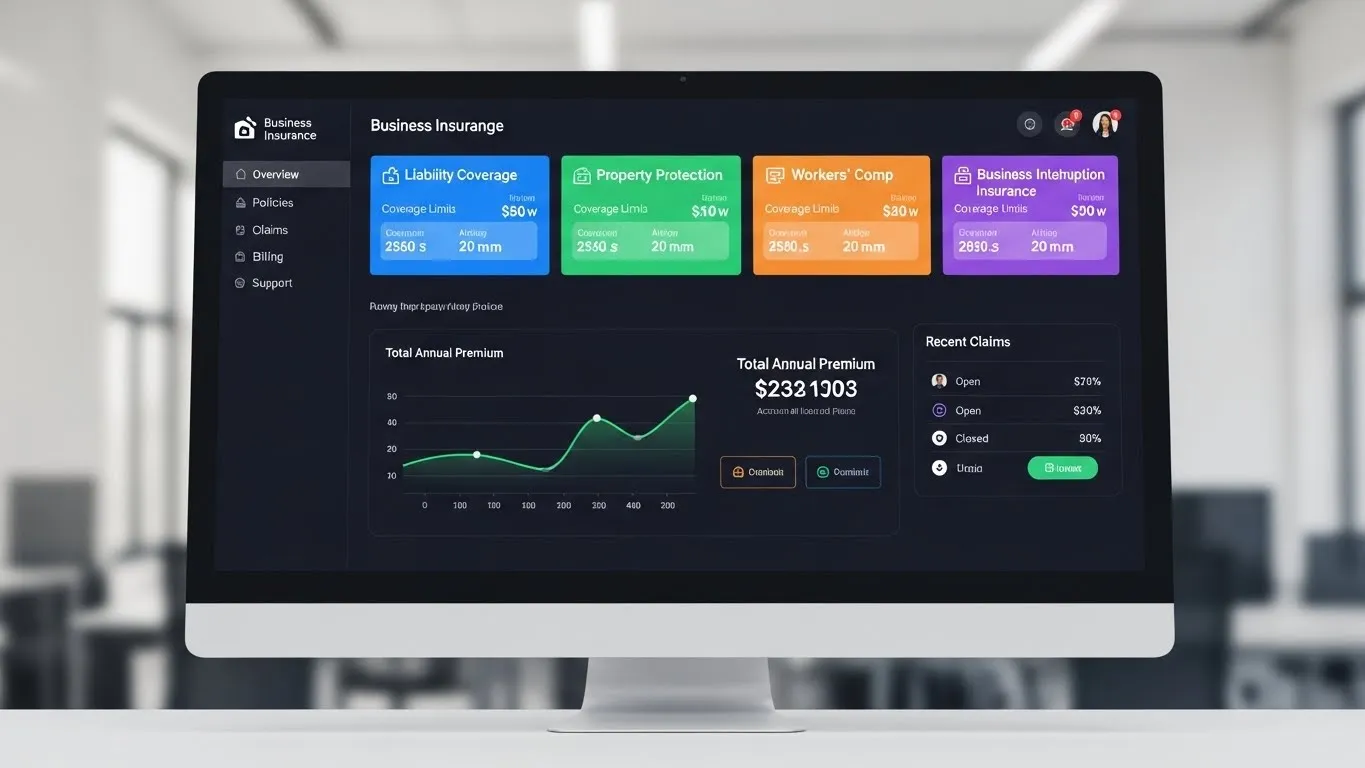
Running a small business is a dynamic and often challenging endeavor. While you're focused on innovation, customer service, and growth, it's crucial not to overlook a fundamental pillar of your operation: essential business insurance for small companies. Protecting your business from unforeseen events is not just a good idea; it's a necessity that can safeguard your hard work, assets, and future. This guide will walk you through the key coverage options available, helping you make informed decisions to secure your business's stability.
Here are the key takeaways for essential business insurance:
- Risk Mitigation: Insurance acts as a financial safety net against unexpected liabilities and losses.
- Core Coverage Needs: General liability, professional liability, and commercial property are often foundational.
- Specialized Protection: Consider cyber liability, workers' compensation, and business interruption for comprehensive coverage.
- Tailored Solutions: The right insurance depends on your specific industry, size, and risks.
- Proactive Planning: Regularly review your insurance needs as your business evolves.
Understanding the Importance of Business Insurance for Small Companies
The landscape of modern business is rife with potential pitfalls. From customer slip-and-fall incidents to data breaches, the risks are varied and can be financially devastating. Essential business insurance for small companies is designed to absorb these shocks, preventing a single event from crippling your operations. It provides peace of mind, allowing you to concentrate on what you do best. Furthermore, many clients and partners may require proof of insurance before engaging with your business, making it a prerequisite for doing business in certain sectors.
Why Small Businesses Need Comprehensive Coverage
Small businesses, despite their size, are not immune to significant financial losses. In fact, they may be more vulnerable due to fewer resources to absorb unexpected costs. A lawsuit, a natural disaster, or a cyber-attack could drain operating capital and lead to irreversible damage. Investing in the right insurance is a proactive strategy to ensure continuity and resilience.
Key Insurance Coverage Options for Small Businesses
Navigating the world of insurance can seem daunting, but understanding the core policies is the first step. These are the foundational coverages that most small businesses should consider.
1. General Liability Insurance (GLI)
This is arguably the most critical type of insurance for any business, regardless of industry. General liability insurance protects your company against claims of bodily injury, property damage, and personal or advertising injury.
- Bodily Injury: If a customer slips and falls in your store and incurs medical bills, GLI can cover those costs, as well as any legal fees if they sue.
- Property Damage: If an employee accidentally damages a client's property while on their premises, GLI can cover the repair or replacement costs.
- Personal and Advertising Injury: This covers claims like libel, slander, copyright infringement in your advertising, or wrongful eviction.
Example Scenario: A catering company's employee accidentally spills red wine on a client's antique carpet during an event. General liability insurance would likely cover the cost of cleaning or replacing the damaged carpet.
2. Professional Liability Insurance (PLI)
Also known as Errors & Omissions (E&O) insurance, this coverage is vital for businesses that provide professional services or advice. PLI protects you against claims of negligence, errors, or omissions in the services you provide that result in financial loss for your client.
- Key Professions: This is crucial for consultants, IT professionals, architects, engineers, accountants, real estate agents, and healthcare providers.
- Protection Against Claims: If a client sues you, alleging that your advice or service led to their financial downfall, PLI can cover legal defense costs and any settlements or judgments.
Industry Trend Insight: According to a 2024 report by the Professional Liability Underwriting Society (PLUS), claims related to data privacy and cybersecurity breaches within professional services have seen a steady increase, highlighting the growing importance of robust PLI.
3. Commercial Property Insurance
If your business owns or leases physical space, or has valuable equipment and inventory, commercial property insurance is essential. This policy covers damage to your business property caused by events such as fire, theft, vandalism, and certain natural disasters.
- What it Covers: This includes your building, furniture, fixtures, equipment, and inventory.
- Business Interruption: Often, commercial property policies can be bundled with business interruption insurance, which covers lost income if your business has to close temporarily due to a covered property damage event.
4. Workers' Compensation Insurance
In most states, if you have employees, workers' compensation insurance is a legal requirement. This insurance provides benefits to employees who suffer work-related injuries or illnesses. It covers medical expenses, lost wages, and rehabilitation costs.
- Employer Protection: It protects employers from lawsuits by injured employees by providing a no-fault system for compensation.
- Employee Well-being: Ensures employees receive the care and support they need without delay.
Specialized Insurance for Evolving Business Needs
Beyond the foundational coverages, several other insurance types are becoming increasingly important for small businesses.
5. Cyber Liability Insurance
In today's digital age, cyber threats are a significant risk for businesses of all sizes. Cyber liability insurance protects your company from the financial fallout of data breaches, cyber-attacks, and other cyber incidents.
- Data Breach Costs: This can include expenses for notifying affected customers, credit monitoring services, public relations, legal fees, and regulatory fines.
- System Restoration: It can also cover the costs of restoring compromised computer systems and data.
- Ransomware Protection: Some policies offer coverage for ransom payments in the event of a ransomware attack, though this is a complex area with varying coverage limits.
Differentiated Value: Unlike traditional liability policies, cyber insurance specifically addresses the unique and rapidly evolving risks associated with digital assets and online operations, a critical distinction for businesses relying heavily on technology.
6. Business Interruption Insurance
Often linked with commercial property insurance, business interruption insurance is critical for ensuring your business can survive a temporary closure. If a covered event, like a fire or major storm, forces you to shut down, this policy reimburses you for lost income and helps cover ongoing expenses like rent, payroll, and utilities.
- Cash Flow Preservation: It ensures you can maintain essential operations and pay your bills while you recover.
- Rebuilding Time: This coverage is invaluable for giving you the time and financial resources needed to rebuild or repair your premises.
7. Commercial Auto Insurance
If your business uses vehicles for any purpose – whether it's a delivery van, a sales representative's car, or a construction truck – you need commercial auto insurance. This policy covers accidents involving business vehicles, protecting against liability claims and damage to the vehicle itself.
- Beyond Personal Policies: Standard personal auto policies typically do not cover vehicles used for business purposes.
8. Directors & Officers (D&O) Liability Insurance
If your small company has a board of directors or officers, D&O insurance is crucial. It protects them from personal liability in the event of wrongful acts committed while managing the company. This can include allegations of breach of fiduciary duty, misrepresentation, or mismanagement.
Choosing the Right Business Insurance Provider
Selecting the right insurance provider is as important as choosing the right coverage.
What to Look For in a Provider:
- Reputation and Financial Stability: Look for insurers with strong financial ratings and a good reputation for handling claims fairly and promptly. Organizations like A.M. Best provide financial strength ratings.
- Industry Expertise: Does the insurer understand your specific industry and the unique risks you face?
- Customer Service: How responsive and helpful is their customer service team?
- Cost vs. Value: While price is a factor, focus on the value and comprehensive nature of the policy. The cheapest option may not provide adequate protection.
- Independent Agents vs. Direct Writers: Independent agents can offer policies from multiple insurance companies, potentially finding you the best coverage at a competitive price.
Demonstrating Expertise: Case Study Insights
Consider a small graphic design agency that relied heavily on client data and project files stored on cloud servers. They opted for a comprehensive business insurance for small companies package, including professional liability and cyber liability. When a sophisticated ransomware attack encrypted their critical project files and client information, their cyber insurance policy kicked in immediately. The insurer covered the cost of data recovery specialists and legal counsel to manage the breach notification process. Without this coverage, the agency faced potential bankruptcy due to lost work and severe client repercussions. This real-world scenario underscores the critical role of specialized insurance in navigating modern business risks.
Frequently Asked Questions About Small Business Insurance
Q1: How much does business insurance for small companies cost? A1: The cost varies significantly based on your industry, location, revenue, number of employees, and the types of coverage you choose. A low-risk home-based business will pay far less than a construction company with a fleet of vehicles.
Q2: Can I get a business insurance package? A2: Yes, many insurers offer business owner's policies (BOPs) that bundle essential coverages like general liability and commercial property insurance into a single, cost-effective package. This is a great starting point for many small businesses.
Q3: What happens if I don't have the right business insurance? A3: Without adequate insurance, your business would be personally liable for any claims or damages. This could include covering lawsuit settlements, medical bills, property repairs, or lost income out-of-pocket, potentially leading to financial ruin.
Q4: How often should I review my business insurance policy? A4: You should review your business insurance needs at least annually, or whenever there are significant changes to your business. This includes expanding operations, hiring new employees, introducing new products or services, or changing your physical location.
Conclusion and Next Steps
Securing essential business insurance for small companies is an investment in your business's longevity and stability. By understanding the key coverage options – from general liability to cyber insurance – you can build a robust safety net that protects against the myriad risks businesses face today.
Don't wait for an incident to realize the importance of insurance. Take proactive steps now to assess your risks and obtain the coverage that best suits your business's unique needs. Explore options with reputable insurance providers, consider bundled policies, and don't hesitate to consult with an insurance broker who specializes in small business coverage.
If you found this information helpful, please consider sharing it with fellow business owners. We encourage you to leave your comments and questions below to further discuss how to best protect your entrepreneurial ventures.
For further reading, explore our articles on risk management strategies for startups and the impact of technology on small business liability. These topics offer deeper insights into safeguarding your company's future.
Data for this article is based on general industry knowledge and trends observed up to early 2025. For the most current and specific information, consult with a licensed insurance professional.