Business Insurance Essentials: Safeguarding Your Company's Operations
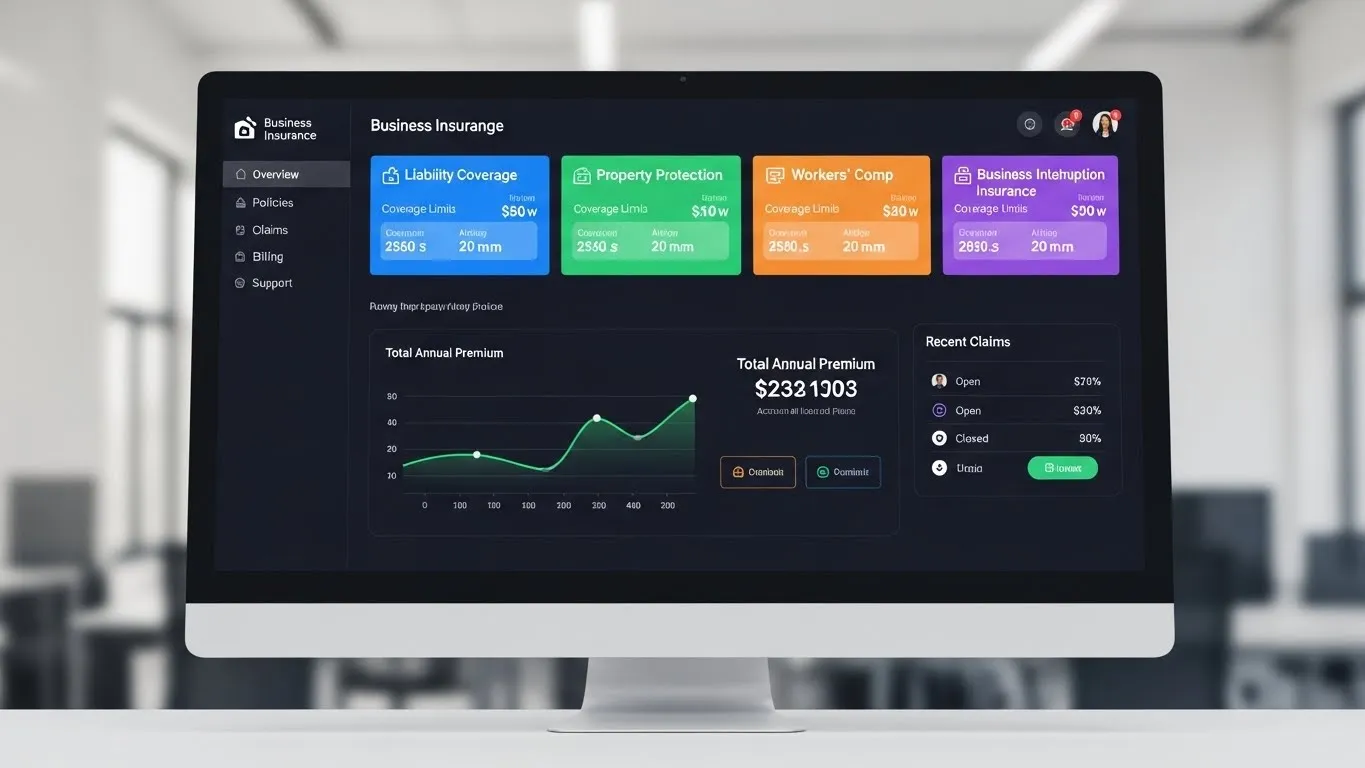
Every business, regardless of its size or industry, faces a myriad of potential risks that could disrupt operations, incur significant financial losses, or even lead to its demise. Understanding business insurance essentials is not just a recommendation; it's a fundamental pillar of sound risk management and a proactive step towards safeguarding your company's future. From unforeseen accidents and natural disasters to legal disputes and cyberattacks, the right insurance coverage provides a critical safety net, ensuring continuity and protecting your hard-earned assets. This comprehensive guide will delve into the core aspects of business insurance, highlighting key policy types, emerging risks, and strategic approaches to build a robust protection plan for your enterprise.
Key Points:
- Risk Mitigation: Business insurance acts as a crucial buffer against unforeseen financial losses.
- Operational Continuity: Proper coverage helps businesses recover quickly from disruptions.
- Legal Compliance: Many policies are legally required, protecting both employer and employees.
- Asset Protection: Safeguards physical assets, intellectual property, and financial stability.
- Peace of Mind: Provides confidence for business owners to focus on growth and innovation.
Understanding the Core of Business Insurance Essentials
At its heart, business insurance is about managing uncertainty. It transfers the financial burden of potential risks from your company to an insurance provider in exchange for regular premium payments. Without adequate coverage, a single incident could lead to catastrophic financial consequences, impacting everything from daily operations to long-term solvency. Protecting your business goes beyond just having a great product or service; it involves foresight and strategic planning to mitigate vulnerabilities.
The landscape of business risks is constantly evolving, making a static insurance approach insufficient. From traditional perils like fire and theft to modern threats such as data breaches and global supply chain disruptions, businesses must adapt their protection strategies. A thorough understanding of business insurance essentials empowers owners to make informed decisions, ensuring their policies align with their specific operational needs and industry challenges.
Key Types of Business Insurance for Comprehensive Protection
Navigating the various types of business insurance can be complex, but certain policies form the bedrock of a comprehensive protection plan. Each serves a distinct purpose, addressing different facets of risk that a company might encounter.
General Liability Insurance
Often considered the most fundamental policy, general liability insurance protects your business from claims of bodily injury, property damage, advertising injury, and personal injury that occur on your business premises or as a result of your operations. For example, if a customer slips and falls in your store, this policy would cover their medical expenses and any legal defense costs. It’s a critical safeguard against common third-party claims.
Commercial Property Insurance
This policy protects your business's physical assets, including its building, inventory, equipment, and furniture, from perils like fire, theft, vandalism, and certain natural disasters. If a fire destroys your office, commercial property insurance would help cover the costs of repairing or rebuilding and replacing damaged items. It’s essential for any business with tangible assets.
Business Interruption Insurance
Often bundled with commercial property insurance, business interruption insurance (also known as business income insurance) provides coverage for lost income and operating expenses if your business is forced to temporarily close due to a covered peril. This could include rent, utility bills, and payroll, allowing you to continue paying employees and maintain financial stability while you recover. This coverage is vital for maintaining cash flow during unexpected shutdowns.
Workers' Compensation Insurance
For businesses with employees, workers' compensation insurance is typically a legal requirement in most states. It provides medical benefits and wage replacement to employees who suffer work-related injuries or illnesses. This policy also offers protection to the employer by limiting their liability for such incidents. This is a direct form of disability and income protection for your workforce, ensuring they receive care and financial support when they cannot work due to a job-related injury.
Professional Liability (E&O) Insurance
Also known as Errors and Omissions (E&O) insurance, professional liability coverage protects businesses that provide professional services or advice. It covers claims of negligence, errors, or omissions in the professional services rendered. For consultants, accountants, IT professionals, and marketing agencies, this policy is indispensable for protecting against client lawsuits alleging professional mistakes.
Cyber Liability Insurance
In today's digital age, cyber liability insurance has become an increasingly vital component of business insurance essentials. It protects your business from the financial fallout of data breaches, cyberattacks, and other cyber-related incidents. This can include costs for data recovery, notification expenses, legal fees, regulatory fines, and even public relations efforts to restore your company's reputation.
Navigating Emerging Risks and Modern Business Insurance Solutions
The business world is dynamic, and new risks constantly emerge, demanding innovative insurance solutions. Staying ahead of these trends is key to comprehensive protection.
The Rise of Cyber Threats
Cyberattacks are no longer just a concern for large corporations; small and medium-sized businesses are increasingly targeted. According to a 2024 report by the National Cyber Security Alliance, nearly half of all cyberattacks target small businesses, with many unable to recover financially. Proactive cyber security measures combined with robust cyber liability insurance are crucial. This differentiated insight highlights the growing importance of this specific coverage.
Climate Change and Property Risks
The increasing frequency and intensity of extreme weather events, driven by climate change, are significantly impacting property insurance. Businesses in coastal areas or regions prone to wildfires, floods, or severe storms face higher premiums and more complex coverage requirements. Industry forecasts from a 2025 analysis by a leading global risk consulting firm project continued increases in property insurance costs due to these factors. Understanding your specific geographic vulnerabilities and seeking specialized coverage for these risks is a modern imperative.
Tailoring Policies for Unique Business Needs
One size does not fit all when it comes to business insurance. A construction company will have vastly different needs than a tech startup or a retail boutique. Tailoring your policies to reflect your specific industry, operational scale, and unique risks is paramount. This might involve specialized policies like commercial auto insurance for businesses with fleets, or product liability insurance for manufacturers.
Strategic Approaches to Optimizing Your Business Insurance Portfolio
Effective insurance management involves more than just purchasing policies; it requires a strategic, ongoing process.
Conducting a Thorough Risk Assessment
Before even considering policies, conduct a comprehensive risk assessment to identify all potential threats to your business. This includes operational risks, financial risks, strategic risks, and external risks. Understanding your vulnerabilities allows you to prioritize coverage and allocate resources effectively. For more information on this topic, readers can explore related articles on identifying business vulnerabilities.
Working with an Experienced Broker
An independent insurance broker can be an invaluable partner. They possess deep industry expertise, understand the nuances of various policies, and can help you compare options from multiple carriers. A good broker will not only find you competitive rates but also ensure you have the right coverage for your specific needs, acting as an advocate during claims.
Regular Policy Review and Updates
Your business is not static, and neither should your insurance policies be. Review your coverage annually or whenever significant changes occur in your business, such as expansion, new product lines, increased revenue, or a change in location. This ensures your protection remains adequate and up-to-date. Data from a 2023 study published by the Insurance Information Institute indicates that businesses that review their policies annually are 30% less likely to be underinsured.
The Link Between Business Insurance and Disability & Income Protection
While often discussed separately, business insurance plays a significant role in broader disability and income protection strategies, especially for business owners and their key employees.
- Workers' Compensation: As mentioned, this directly provides income replacement and medical care for employees injured on the job, preventing a total loss of income during their recovery.
- Key Person Insurance: This type of life or disability insurance protects a business against the financial loss that would arise from the death or extended disability of an owner or