Business Insurance Essentials: Safeguarding Your Company's Future
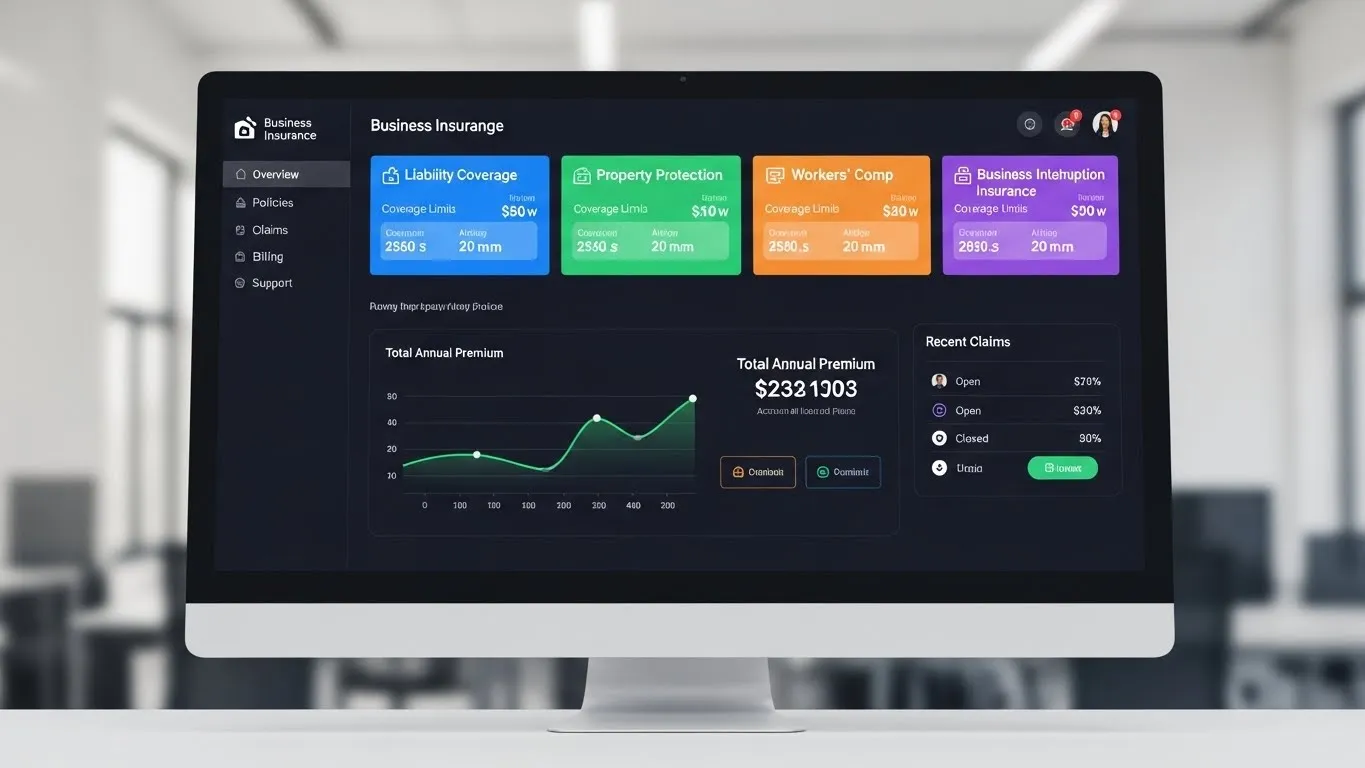
Business Insurance Essentials: Safeguarding Your Company's Future
Every business, regardless of its size or industry, faces a myriad of potential risks that can threaten its stability and long-term viability. From unexpected lawsuits and property damage to employee injuries and cyberattacks, the landscape of business operations is fraught with uncertainties. This is where business insurance essentials come into play, serving as a critical shield designed to protect your assets, ensure continuity, and ultimately safeguard your company's future. Understanding and implementing the right insurance strategies isn't just a regulatory requirement; it's a fundamental pillar of sound risk management and financial planning.
Investing in comprehensive business insurance allows entrepreneurs to mitigate financial losses from unforeseen events, providing peace of mind and the resources needed to recover quickly. It also plays a vital role in protecting the income stream and operational capacity of a business, especially in scenarios involving key personnel disability or other disruptions.
Key Points for Safeguarding Your Business
- Identify Core Risks: Understand the specific threats unique to your industry and operations.
- Comprehensive Coverage: Secure policies that address liability, property, and operational continuity.
- Income Protection: Prioritize insurance types that safeguard business income against unforeseen events, including disability.
- Regular Review: Periodically assess and update policies to match evolving business needs and market changes.
- Expert Consultation: Partner with an experienced insurance professional to tailor your coverage effectively.
Understanding the Landscape of Business Risks
The first step in securing your company's future is to thoroughly understand the diverse range of risks it faces. These can be broadly categorized into operational, financial, strategic, and hazard risks. For instance, a small retail shop might worry about theft or customer slip-and-falls, while a tech startup might be more concerned with data breaches or intellectual property infringement. Recognizing these specific vulnerabilities is crucial for building an effective insurance portfolio.
A proactive approach to risk assessment helps identify potential threats before they materialize into costly problems. This involves analyzing internal processes, external market factors, and even geographical considerations. Effective risk management is not about eliminating all risks, which is often impossible, but about identifying, assessing, and mitigating them to an acceptable level.
Common Business Vulnerabilities
- Property Damage: Fires, floods, storms, or vandalism can devastate physical assets.
- Liability Claims: Accidents on your premises, product defects, or professional errors can lead to expensive lawsuits.
- Employee-Related Issues: Workplace injuries, illnesses, or disputes can result in workers' compensation claims or legal action.
- Business Interruption: Disasters or unforeseen events can halt operations, leading to significant income loss.
- Cyber Threats: Data breaches, ransomware attacks, and system failures pose growing risks to digital assets and customer trust.
Core Types of Business Insurance Coverage
Navigating the world of business insurance can seem daunting, but several fundamental policies form the bedrock of protection for most companies. These business insurance essentials address the most common and potentially devastating risks.
General Liability Insurance
This is often considered the most basic and crucial policy for any business. General liability insurance protects your company from claims of bodily injury, property damage, advertising injury, and personal injury that occur on your business premises or as a result of your operations. For example, if a client slips and falls in your office, this policy would cover their medical expenses and any legal fees if they sue. It's a foundational safeguard against everyday operational hazards.
Commercial Property Insurance
Commercial property insurance covers damage to your business's physical assets, including your building, equipment, inventory, and furniture, from perils like fire, theft, and certain natural disasters. This coverage is vital for ensuring that your business can replace damaged assets and resume operations quickly after an event. Without it, a single incident could lead to catastrophic financial losses and potentially force your business to close permanently.
Workers' Compensation Insurance
Mandatory in most states, workers' compensation insurance provides benefits to employees who suffer work-related injuries or illnesses. These benefits typically cover medical treatment, lost wages, and rehabilitation. For the business, it protects against costly lawsuits from injured employees. This policy is critical for employee well-being and maintaining compliance with labor laws, directly impacting the business's financial stability by preventing large, unexpected payouts.
Business Interruption Insurance
Often included as part of a commercial property policy, business interruption insurance (also known as business income insurance) is designed to replace lost income and cover ongoing operating expenses if your business is forced to temporarily close due to a covered peril. This could be due to fire, storm damage, or other events that disrupt normal operations. It's an invaluable tool for protecting your income stream and ensuring your company can recover without facing severe financial distress during downtime.
Beyond the Basics: Specialized Business Insurance Policies
While core policies cover broad risks, modern businesses often require more specialized protection to address unique industry challenges and emerging threats. These policies are increasingly becoming business insurance essentials for comprehensive safeguarding.
Professional Liability (Errors & Omissions) Insurance
For businesses that provide professional services or advice, professional liability insurance (also known as Errors & Omissions or E&O) is indispensable. It protects against claims of negligence, errors, or omissions in the professional services you provide. This is particularly important for consultants, accountants, IT professionals, and healthcare providers, where a mistake could lead to significant financial harm for a client.
Cyber Liability Insurance
In today's digital age, cyber liability insurance has become a non-negotiable for many businesses. It covers costs associated with data breaches, cyberattacks, and other cyber incidents, including notification costs, credit monitoring, legal fees, forensic