Business Insurance Essentials: Safeguarding Your Company's Future
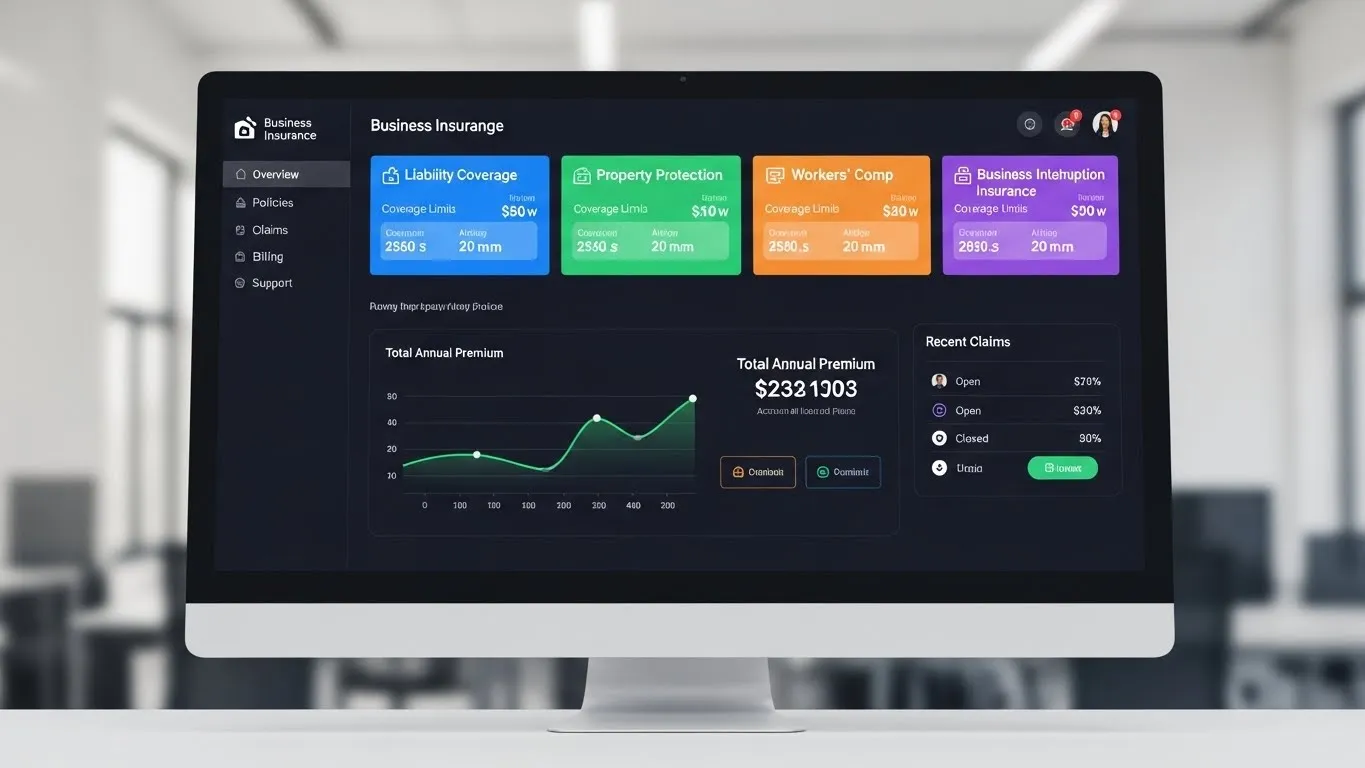
Business Insurance Essentials: Safeguarding Your Company's Future
In today's dynamic business landscape, navigating unforeseen challenges is a constant. From natural disasters to legal disputes, the risks facing companies are diverse and ever-present. This is where understanding business insurance essentials becomes not just beneficial, but absolutely critical. Comprehensive business insurance acts as a vital safety net, protecting your assets, employees, and ultimately, your company's long-term viability. It ensures that a single unfortunate event doesn't derail years of hard work and investment, providing financial stability and peace of mind.
Key Points for Business Insurance Essentials
- Risk Mitigation: Business insurance is a proactive strategy to mitigate financial losses from unexpected events.
- Legal Compliance: Many types of coverage, like workers' compensation, are legally mandated for businesses.
- Asset Protection: Safeguards physical assets, intellectual property, and financial resources.
- Business Continuity: Policies like business interruption insurance ensure operations can resume quickly after a covered loss.
- Peace of Mind: Allows owners to focus on growth, knowing major risks are covered.
Understanding the Core of Business Insurance Essentials
Every business, regardless of its size or industry, faces inherent risks. These can range from property damage and theft to lawsuits and employee injuries. Without adequate protection, a single significant event could lead to severe financial strain, operational disruption, or even permanent closure. This highlights why grasping the core business insurance essentials is fundamental to robust risk management. It's about identifying potential vulnerabilities and strategically transferring those risks to an insurer, rather than bearing the full financial burden yourself.
Effective risk management isn't just about reacting to problems; it's about anticipating them. By investing in the right insurance policies, businesses can secure their financial future, ensuring they have the resources to recover from setbacks. This proactive approach not only protects your current operations but also enhances your company's resilience and attractiveness to investors and partners. For a deeper dive into financial resilience, readers might find related articles on sustainable business practices helpful.
Key Types of Business Insurance Every Company Needs
When considering business insurance essentials, several core policies form the bedrock of comprehensive protection. Understanding each type helps you build a tailored insurance portfolio that addresses your specific operational risks.
Commercial General Liability (CGL) Insurance
Commercial General Liability (CGL) insurance is often considered the cornerstone of business protection. It covers claims of bodily injury or property damage that occur on your business premises or as a result of your operations, products, or services. For instance, if a customer slips and falls in your store, or if your product causes damage to a client's property, CGL can cover medical expenses, legal fees, and settlement costs. This policy is crucial for safeguarding your company's future against common third-party claims.
Commercial Property Insurance
This policy protects your business's physical assets, including your building, inventory, equipment, and furniture, from perils like fire, theft, vandalism, and certain natural disasters. If a fire devastates your office, commercial property insurance would help cover the costs of repair or replacement, allowing you to rebuild and restart operations. It's an essential component for any business with physical assets.
Workers' Compensation Insurance
For businesses with employees, workers' compensation insurance is typically a legal requirement in most jurisdictions. It provides wage replacement and medical benefits to employees injured in the course of employment, in exchange for mandatory relinquishment of the employee's right to sue their employer for negligence. This coverage protects both your employees and your business from potentially costly lawsuits related to workplace injuries.
Professional Liability (Errors & Omissions) Insurance
Also known as Errors & Omissions (E&O) insurance, professional liability coverage is vital for businesses that provide professional services or advice. It protects against claims of negligence, misrepresentation, or mistakes that result in financial loss for a client. For example, if a consultant provides incorrect advice that costs a client money, E&O insurance would cover the legal defense and damages. This is a critical policy for professionals like accountants, lawyers, and IT consultants.
Business Interruption Insurance
Often bundled with commercial property insurance, business interruption insurance provides coverage for lost income and operating expenses if your business is forced to temporarily close due to a covered peril, such as a fire or natural disaster. This ensures that even when your doors are shut, you can continue to pay rent, salaries, and other fixed costs, helping to maintain financial stability during recovery.
Emerging Risks: Cyber Insurance & Directors & Officers (D&O)
The digital age has introduced new vulnerabilities, making cyber insurance increasingly important. This policy covers financial losses resulting from data breaches, cyberattacks, and other digital risks, including legal fees, notification costs, and reputational damage. According to a 2024 report by Cybersecurity Ventures, global cybercrime costs are projected to reach $10.5 trillion annually by 2025, underscoring the urgency for this coverage.
Directors & Officers (D&O) insurance protects the personal assets of company directors and officers against lawsuits alleging wrongful acts in their management capacity. This is particularly relevant for startups and growing companies, as it attracts and retains qualified leadership by mitigating personal risk. These policies represent a crucial evolution in safeguarding your company's future against modern threats.
Tailoring Your Coverage: Choosing the Right Business Insurance
Selecting the right business insurance essentials requires a thoughtful assessment of your specific operational risks. A generic policy might leave significant gaps in your protection. Start by evaluating your industry, the nature of your products or services, your number of employees, and your physical location. For instance, a construction company will have different liability needs than a software development firm.
Consider industry-specific risks. A restaurant, for example, might need food spoilage coverage, while a manufacturing plant requires machinery breakdown insurance. Engaging with an experienced independent insurance broker can be invaluable here. They can help you identify unique exposures, navigate complex policy language, and compare quotes from various providers to ensure you get comprehensive coverage at a competitive price. This personalized approach is key to building a robust small business insurance guide tailored to your needs.
The Evolving Landscape of Business Insurance: Latest Trends
The insurance industry is constantly adapting to new technologies and global challenges. One significant trend is the increasing use of Artificial Intelligence (AI) in risk assessment. AI-powered analytics can process vast amounts of data to provide more precise risk profiles, leading to more tailored policies and potentially fairer premiums. For example, some insurers are using AI to analyze real-time data from IoT devices in commercial properties to predict and prevent potential damage, as noted in a 2024 industry outlook by Deloitte.
Another emerging trend is parametric insurance, which pays out a pre-agreed amount based on the occurrence of a specific, measurable event (e.g., hurricane wind speed exceeding a certain threshold) rather than the actual loss incurred. This can lead to faster payouts and greater transparency, which is critical for business continuity during catastrophic events. This innovation offers a differentiated approach to financial protection, moving beyond traditional indemnity models.
Maximizing Your Business Insurance Investment
To truly maximize your investment in business insurance essentials, regular policy reviews are non-negotiable. Your business evolves, and so do its risks. A policy that was perfect five years ago might now be inadequate. Schedule annual reviews with your broker to discuss changes in operations, new assets, growth in employee numbers, or shifts in market conditions. Understanding policy exclusions is also vital; know what your policy doesn't cover to avoid unpleasant surprises during a claim. For example, many standard property policies exclude flood or earthquake damage, requiring separate coverage.
Furthermore, familiarize yourself with the claims process before an incident occurs. Knowing the steps, required documentation, and timelines can significantly expedite your recovery when a loss happens. Proactive engagement with your insurer and maintaining meticulous records are crucial for a smooth claims experience.
FAQ Section
Q: What is the most important type of business insurance for a startup?
A: For most startups, Commercial General Liability (CGL) insurance is arguably the most important. It provides broad coverage against common risks like third-party bodily injury and property damage, which can be financially devastating for a new business. Depending on the industry, professional liability or cyber insurance might also be critical from day one.
Q: How often should I review my business insurance policy?
A: You should review your business insurance policy at least once a year, or whenever significant changes occur within your business. This includes expanding operations, hiring new employees, purchasing new assets, changing locations, or introducing new products/services. Annual reviews ensure your coverage remains adequate and cost-effective.
Q: Can small businesses afford comprehensive insurance?
A: Yes, comprehensive insurance is often more affordable than small businesses realize, and it's a critical investment. Many insurers offer bundled packages (like Business Owner's Policies, or BOPs) that combine essential coverages at a lower premium. The cost of not having adequate insurance far outweighs the premiums, especially when facing a major loss.