Business Insurance Basics: Safeguarding Your Company from Risks
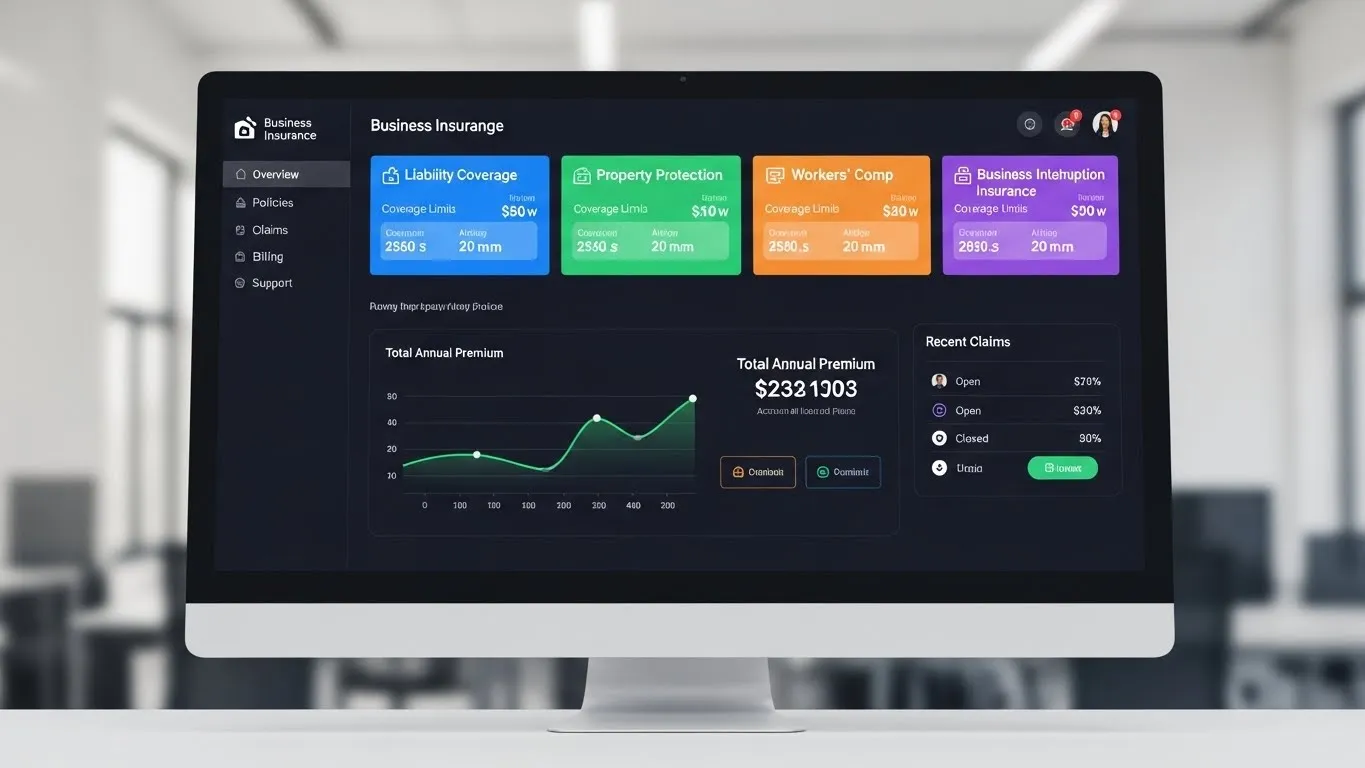
Business Insurance Basics: Safeguarding Your Company from Risks
Every business, regardless of its size or industry, faces a myriad of potential risks that can disrupt operations, cause financial losses, and even lead to closure. Understanding business insurance basics is not just a legal necessity for many; it's a fundamental strategy for survival and long-term success. From unexpected lawsuits to natural disasters, the right commercial insurance policies provide a crucial safety net, protecting your assets, employees, and reputation. This guide will walk you through the essential types of coverage, helping you make informed decisions to safeguard your company from risks effectively.
Key Points to Remember:
- Risk Mitigation: Business insurance is a core component of a comprehensive risk management strategy.
- Essential Coverage: Key policies include General Liability, Commercial Property, and Workers' Compensation.
- Tailored Solutions: Policies should be customized to your specific industry and operational needs.
- Dynamic Needs: Your insurance requirements evolve as your business grows and changes.
- Peace of Mind: Proper coverage allows you to focus on growth, knowing major risks are covered.
Understanding the Core Value of Business Insurance
In today's dynamic economic landscape, the unexpected is often just around the corner. A slip-and-fall accident on your premises, a fire damaging your inventory, or a data breach exposing customer information can all have devastating financial consequences. This is where business insurance steps in, offering a vital layer of protection. It helps absorb the financial shock of unforeseen events, allowing your company to recover and continue operations without facing insurmountable debt or bankruptcy.
Beyond merely covering losses, adequate commercial insurance demonstrates a commitment to responsible business practices. It assures clients, partners, and employees that your company is prepared for adversity, fostering trust and stability. For many businesses, certain types of coverage are also legally mandated, ensuring compliance and preventing hefty fines.
Key Types of Business Insurance Coverage
Navigating the world of business insurance can seem complex, but understanding the core types of policies is the first step. Each policy addresses specific categories of risk, providing targeted protection for different aspects of your operations.
General Liability Insurance
Often considered the cornerstone of small business insurance, General Liability (GL) coverage protects your company from claims of bodily injury, property damage, advertising injury, and personal injury that occur as a result of your business operations. For example, if a customer slips and falls in your store, or if your employee accidentally damages a client's property, GL insurance can cover the associated medical bills, repair costs, and legal defense fees. It's a broad coverage essential for nearly every business, providing peace of mind against common third-party claims.
Commercial Property Insurance
This policy safeguards your business's physical assets from perils like fire, theft, vandalism, and certain natural disasters. Commercial property insurance covers your building (if you own it), inventory, equipment, furniture, and other business-critical items. Imagine a fire destroying your office; this coverage would help you rebuild and replace damaged property, ensuring business continuity. It's crucial for businesses with significant physical assets, protecting investments in infrastructure and inventory.
Workers' Compensation Insurance
Workers' compensation is a mandatory form of disability and income protection for employees in most states. It provides medical benefits and wage replacement to employees who suffer work-related injuries or illnesses, regardless of fault. This coverage also protects employers from lawsuits related to workplace injuries. For instance, if an employee breaks an arm while operating machinery, workers' comp covers their medical treatment and a portion of their lost wages, ensuring they receive care without financial hardship. For more information on this topic, readers can explore related articles on employee benefits and workplace safety.
Professional Liability (Errors & Omissions) Insurance
Also known as Errors & Omissions (E&O) insurance, this coverage is vital for businesses that provide professional services or advice. It protects against claims of negligence, errors, or omissions in the professional services you render. For example, if a consultant provides incorrect advice that leads to financial losses for a client, E&O insurance can cover legal defense costs and damages. This is particularly important for fields like accounting, legal services, IT consulting, and marketing agencies.
Cyber Liability Insurance: A Growing Necessity
In an increasingly digital world, cyber threats pose a significant business risk. Cyber liability insurance is no longer a niche product; it's a critical component of modern risk management. This policy covers costs associated with data breaches, cyberattacks, and other cyber incidents, including notification costs, credit monitoring, legal fees, regulatory fines, and even business interruption due to a cyber event. According to a 2024 report by the Insurance Information Institute, small businesses face an average of 3-5 insurable events annually, with cyber incidents becoming increasingly prevalent. A study published in the Journal of Risk Management in 2023 highlighted that cyberattacks on SMEs increased by 45% year-over-year, underscoring the urgent need for this protection.
Business Interruption Insurance
Often included as part of a commercial property policy or a Business Owner's Policy (BOP), business interruption insurance covers lost income and ongoing expenses if your business is forced to temporarily close due due to a covered peril (like fire or natural disaster). This coverage helps you pay rent, salaries, and other fixed costs while your business is unable to operate, ensuring financial stability during recovery. It's a crucial component for maintaining cash flow when unforeseen events halt operations.
Tailoring Business Insurance to Your Specific Needs
Choosing the right business insurance isn't a one-size-fits-all endeavor. Your specific industry, the number of employees, your location, and the nature of your operations all play a significant role in determining the ideal coverage. A restaurant, for instance, will have different liability concerns than a software development firm.
- Industry-Specific Risks: Understand the unique risks inherent to your sector. A construction company needs robust equipment and liability coverage, while a retail store might prioritize theft and property damage.
- Size and Scope: As your business grows, so do your insurance needs. More employees mean higher workers' compensation premiums and potentially greater liability exposure.
- Location Factors: Businesses in areas prone to natural disasters (e.g., hurricanes, earthquakes) will require specialized coverage for those risks.
- Regulatory Compliance: Ensure your policies meet all local, state, and federal requirements, especially regarding workers' compensation and specific industry licenses.
Working with an experienced insurance broker is highly recommended. They can assess your unique business risks, identify potential gaps in coverage, and help you build a comprehensive insurance portfolio that offers optimal protection without unnecessary costs.
Proactive Risk Management and Insurance
While insurance provides a financial safety net, it's just one piece of the puzzle in safeguarding your company from risks. A proactive approach to risk management can significantly reduce the likelihood of needing to file a claim in the first place. This involves identifying potential hazards, implementing preventative measures, and training your staff.
For example, implementing robust cybersecurity protocols, conducting regular safety audits, maintaining equipment, and having a disaster recovery plan can all mitigate risks. Industry experts, like those at the National Association of Insurance Commissioners (NAIC) in their 2025 guidelines, consistently emphasize the importance of annual policy reviews and integrating insurance with broader risk mitigation strategies. For those interested in advanced risk assessment techniques, our detailed guides on operational resilience provide further insights.
Navigating Claims and Policy Updates
Even with the best preparation, claims can arise. Knowing how to navigate the claims process efficiently is crucial. Document everything, report incidents promptly to your insurer, and cooperate fully with their investigation. Maintaining accurate records of your assets and operations will streamline any future claims.
Your business is constantly evolving, and so should your insurance policies. Regular reviews, ideally annually or whenever significant changes occur (e.g., hiring new employees, expanding services, purchasing new assets), are essential. This ensures your coverage remains adequate and reflects your current business insurance needs.
Frequently Asked Questions (FAQ)
What is the most crucial type of business insurance for a startup?
For most startups, General Liability (GL) insurance is arguably the most crucial. It provides broad protection against common third-party claims such as bodily injury or property damage, which can be financially devastating for a new business. Depending on the industry, a Business Owner's Policy (BOP) that combines GL with commercial property insurance is also highly recommended for comprehensive initial coverage.
How often should I review my business insurance policy?
You should review your business insurance policy at least once a year, or whenever significant changes occur within your company. This includes