Avoiding Common Pitfalls When Comparing Insurance Quotes: A Smart Buyer's Guide
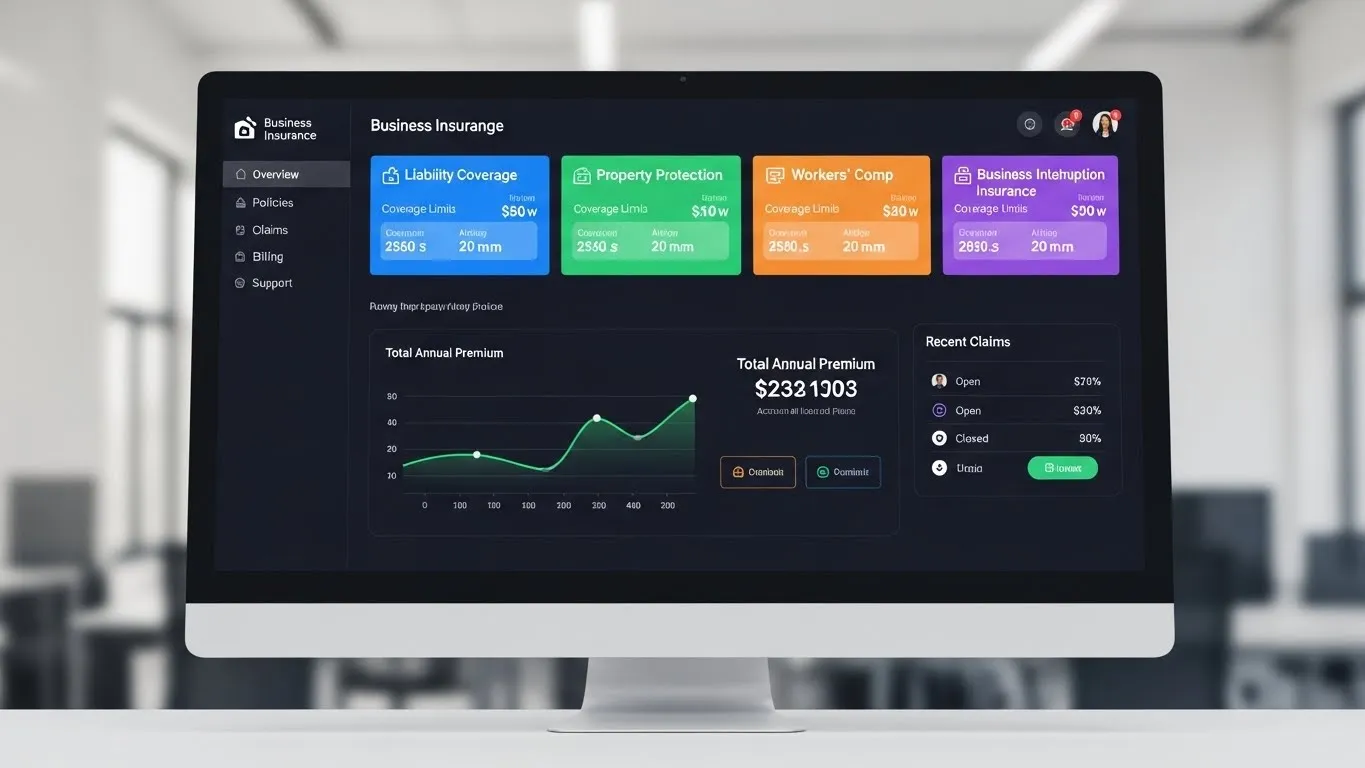
When it comes to securing the right financial protection, comparing insurance quotes is a crucial step. However, it's also a process riddled with potential pitfalls that can lead to inadequate coverage, higher premiums, or unexpected gaps when you need protection most. This guide is designed to empower you with the knowledge and strategies to navigate the insurance market confidently, ensuring you make informed decisions. We'll explore common mistakes and provide actionable advice to help you become a smart buyer, whether you're seeking coverage for personal assets or complex business operations. Understanding the nuances beyond just the price tag is key to truly effective insurance comparison.
Key Points for Smart Insurance Comparison
- Understand Your Needs: Don't just compare prices; compare coverage based on your specific risks.
- Read the Fine Print: Details like exclusions, deductibles, and limits significantly impact value.
- Leverage Expert Advice: Independent brokers offer unbiased comparisons and insights.
- Consider Future Growth: Choose scalable policies that can adapt to changing circumstances.
- Evaluate Insurer Reputation: A low premium isn't worth it if the insurer has poor claims service.
Mastering the Art of Comparing Insurance Quotes: Beyond the Price Tag
Navigating the complex world of insurance can often feel overwhelming. Many individuals and businesses fall into the trap of focusing solely on the lowest premium when comparing insurance quotes. While cost is undoubtedly a factor, a truly smart buyer understands that the cheapest option can often be the most expensive in the long run if it doesn't provide adequate protection. This section will delve into the critical aspects you must consider to avoid common pitfalls and make an informed decision when evaluating different insurance proposals.
Overlooking the Details: The Pitfall of Incomplete Coverage
One of the most frequent errors people make is not thoroughly examining what each policy actually covers. Two quotes might seem similar on the surface, but a deeper dive often reveals significant differences in their terms and conditions. For instance, a general liability policy might exclude specific professional services, or a property insurance policy might not cover flood damage, requiring a separate endorsement.
Actionable Steps:
- Create a Checklist of Essential Coverages: Before you even start requesting quotes, list out exactly what risks you need covered. This could include property damage, business interruption, professional liability, cyber threats, or even specific industry-related risks.
- Scrutinize Policy Limits and Deductibles: A lower premium often comes with higher deductibles or lower coverage limits. Evaluate if you can comfortably afford the deductible in a claims scenario and if the coverage limit is sufficient to truly protect your assets or business. For example, a 2024 report by the National Association of Insurance Commissioners (NAIC) highlighted that underinsurance, particularly related to business interruption, remains a significant challenge for SMEs.
- Understand Exclusions: Every policy has exclusions—situations or events that are not covered. These are critical to understand. Don't assume something is covered; explicitly check the exclusions section.
The Danger of Ignoring Scalability and Future Needs
Your insurance needs aren't static. What protects you today might be wholly inadequate tomorrow, especially for a growing business. A common oversight when comparing insurance quotes is failing to consider the future. Businesses expand, acquire new assets, hire more employees, or enter new markets, all of which change their risk profile. Choosing a policy that lacks flexibility can lead to costly adjustments down the line or, worse, significant gaps in coverage during a period of growth.
Differentiated Insight: Many online comparison tools focus on your current state. However, a smart buyer looks for an insurer or broker who can offer modular policies or demonstrates a clear path for policy scalability. For instance, some providers now offer growth-oriented insurance packages that automatically adjust certain limits as your revenue or employee count hits predefined thresholds, reducing the administrative burden and ensuring continuous protection.
Underestimating the Importance of Insurer Reputation and Claims Service
A low premium from a lesser-known insurer might seem attractive, but what happens when you need to file a claim? The true test of an insurance policy isn't when you buy it, but when you use it. Long wait times, difficult claims processes, or frequent disputes can turn a seemingly good deal into a major headache, costing you time, money, and significant stress. Market data from InsureTech Insights Q3 2023 reveals a strong correlation between customer satisfaction with claims processing and overall policy retention rates.
Expert Opinion: Don't just compare the numbers; research the insurer's reputation. Look at customer reviews, industry ratings (like A.M. Best or S&P), and how they handle claims. A good relationship with your insurer and a smooth claims process are invaluable, offering peace of mind that a marginally cheaper premium simply cannot buy.
Relying Solely on Online Comparison Tools: The Limitations
Online insurance comparison websites are convenient, but they have limitations. They often provide basic quotes based on standardized inputs, which may not capture the nuances of your specific situation, especially for complex business insurance needs. They might also funnel you towards specific partners, limiting the breadth of options available.
Internal Linking Suggestion: To understand the full spectrum of options beyond online tools, consider reading our guide on /articles/understanding-the-role-of-an-insurance-broker-in-business-protection. An independent broker can be a game-changer when comparing insurance quotes.
Actionable Advice:
- Use Online Tools as a Starting Point: They can give you a general idea of market rates, but don't let them be your sole source of information.
- Consult with an Independent Insurance Broker: Brokers work with multiple carriers and can offer unbiased advice, tailored solutions, and access to policies not found online. They understand the complexities of underwriting and can help you identify specific coverages, like professional indemnity or environmental liability, that an online tool might miss.
- Be Honest and Thorough with Information: Providing accurate and complete information is crucial. Any inaccuracies, even unintentional, can lead to your policy being voided or claims denied.
The Pitfall of Not Reviewing and Updating Policies Regularly
Insurance isn't a "set it and forget it" purchase. Your life circumstances and business operations evolve, and your insurance coverage should too. Forgetting to review policies annually or after significant life/business events (e.g., purchasing new equipment, expanding operations, moving to a new location, changing marital status) is a common oversight. This can lead to being over-insured for old risks or, more dangerously, under-insured for new ones.
Authoritative Citation: According to a December 2024 analysis by Allianz Global Corporate & Specialty, businesses that conduct annual risk assessments and adjust their insurance portfolios accordingly show a 15% higher resilience rate against unforeseen disruptions compared to those who don't.
Leveraging Expertise: When to Bring in a Professional
For many, especially businesses, the sheer volume of jargon and the intricate details of policies can be overwhelming. Attempting to parse through every line item without expertise can lead to missed details and poor choices. This is where an insurance professional becomes indispensable. They can translate complex terms, highlight potential gaps, and negotiate on your behalf to secure the best possible terms.
Internal Linking Suggestion: To ensure you're getting the best value, learn more about different types of coverage in our comprehensive guide: /categories/business-insurance-solutions.
Differentiated Content: Proactive Risk Mitigation in Your Insurance Comparison
Beyond standard policy comparisons, smart buyers now incorporate proactive risk mitigation strategies directly into their insurance discussions. This means not just asking "What does this policy cover?" but also "How can this policy incentivize better risk management?" Some modern insurers offer "risk reduction credits" or premium reductions for businesses that implement advanced safety protocols, cybersecurity measures, or employee wellness programs. When comparing insurance quotes, inquire about these incentives – they can significantly reduce your long-term insurance costs and operational risks simultaneously.
Another emerging trend is the integration of data analytics and IoT (Internet of Things) in business insurance. For example, some property insurers offer premium discounts for businesses that install smart sensors to detect leaks, fires, or unauthorized access in real-time. When evaluating quotes, ask if the insurer provides such data-driven services or partners with providers that do. This approach transforms insurance from a reactive safety net to a proactive risk management tool, offering a truly unique value proposition beyond traditional coverage.
Frequently Asked Questions About Insurance Comparison
Q: How often should I compare insurance quotes?
It's advisable to compare insurance quotes at least once a year, especially around your policy renewal date. Additionally, you should seek new quotes whenever you experience a significant life event or business change, such as moving, purchasing new assets, getting married, starting a family, or expanding your business. This ensures your coverage remains aligned with your current needs and helps you identify potentially better rates or more comprehensive policies from competing insurers.
Q: Is the cheapest insurance quote always the best option?
No, the cheapest insurance quote is rarely the best option. While cost is a factor, focusing solely on price can lead to inadequate coverage, high deductibles, or poor claims service. A smart buyer prioritizes finding a policy that offers robust protection against their specific risks, fair deductibles, and a reputable insurer, even if it means paying a slightly higher premium. The value of an insurance policy lies in its ability to protect you when you need it most, not just its initial price.
Q: What information do I need to get accurate insurance quotes?
To receive accurate insurance quotes, you'll need to provide comprehensive and honest information. This typically includes personal details (name, address, date of birth), details about the item or business being insured (type of business, revenue, assets, location, security features, vehicle information), your claims history, and any specific coverage requirements you have in mind. The more detailed and accurate the information you provide, the more precise and comparable the quotes will be.
Conclusion: Empowering Your Insurance Decisions
Avoiding common pitfalls when comparing insurance quotes is not just about saving money; it's about securing genuine peace of mind and robust protection for your assets and future. By looking beyond the sticker price, understanding the nuances of policy language, considering future needs, and leveraging expert advice, you transform from a passive recipient of quotes into an active, intelligent buyer. Remember, the goal is to find the right coverage, not just the cheapest.
Take the time to thoroughly review your options, ask pertinent questions, and don't hesitate to seek clarification. Your diligence today will pay dividends if you ever need to file a claim. We encourage you to regularly revisit your insurance needs and explore new market offerings. Share your experiences in the comments below, or subscribe for more expert guides on smart financial decisions. For further reading, consider exploring our articles on tailoring insurance for specific business risks or the impact of emerging technologies on insurance premiums.
Further Reading Suggestions:
- Explore how to choose the right coverage for your industry: /articles/choosing-the-right-business-insurance-for-your-industry
- Understand advanced risk assessment techniques: /articles/advanced-risk-assessment-for-small-businesses
- Learn about cybersecurity insurance trends: /articles/navigating-the-landscape-of-cybersecurity-insurance