Avoiding Common Insurance Mistakes: Expert Advice for Smart Coverage Choices
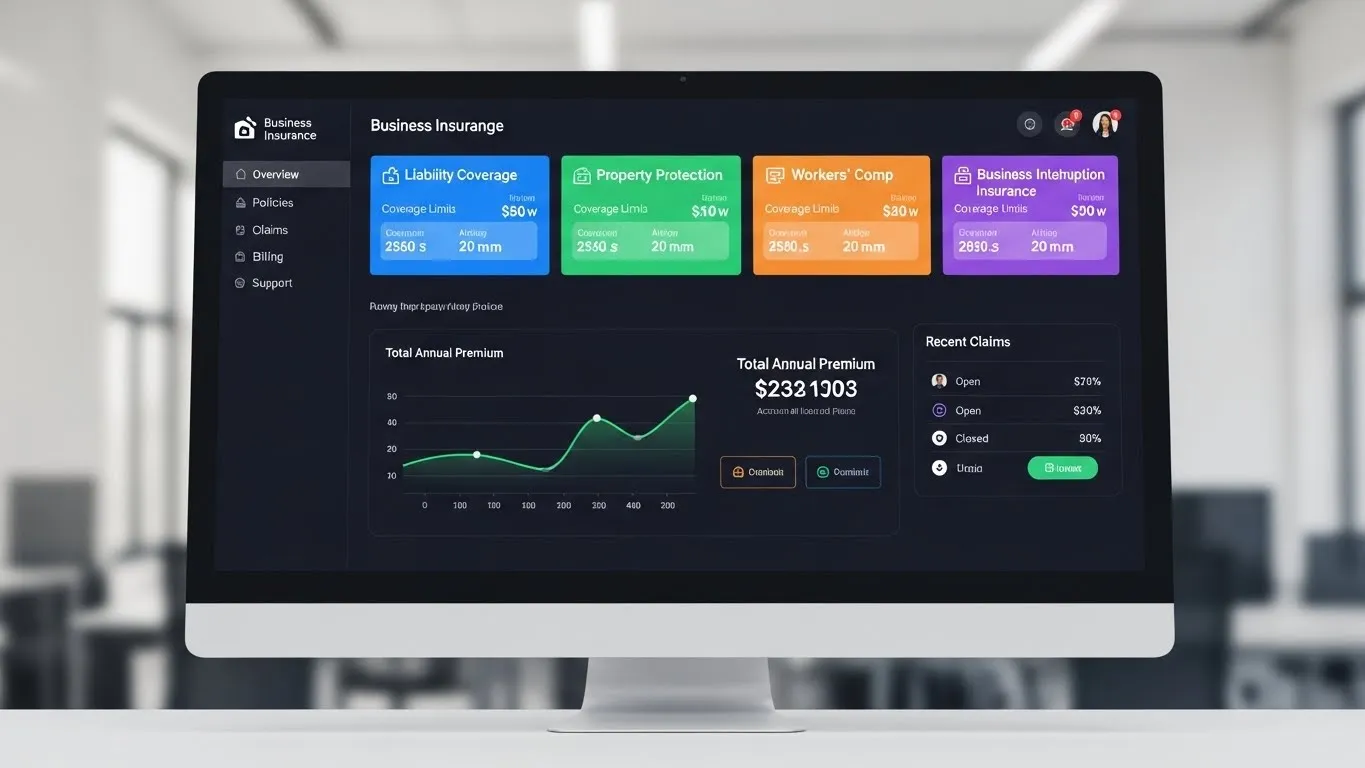
Avoiding Common Insurance Mistakes: Expert Advice for Smart Coverage Choices
Insurance can often feel like a complex maze, with countless policy options, legal jargon, and varying coverage limits. Many individuals and businesses fall into common traps, leading to inadequate protection, denied claims, or overspending. Avoiding common insurance mistakes is not just about saving money; it's about safeguarding your financial stability and peace of mind when unexpected events occur. This comprehensive guide provides expert advice, equipping you with the knowledge to make smart coverage choices. We'll delve into prevalent errors and offer actionable strategies to ensure your policies truly protect what matters most. Understanding these pitfalls is the first step toward securing robust and cost-effective insurance.
Key Points for Smart Coverage
- Regular Policy Reviews: Don't "set it and forget it"; insurance needs change with life events.
- Understanding Policy Terms: Grasp deductibles, limits, and exclusions to avoid surprises.
- Avoiding Underinsurance: Ensure coverage truly reflects the value of your assets and potential liabilities.
- Leveraging Expert Advice: Independent brokers offer personalized risk assessment and policy guidance.
- Accurate Information: Providing precise details is crucial for valid coverage and claims.
Navigating the Landscape: Understanding Common Insurance Pitfalls
Insurance is a critical component of any sound financial plan, yet it's often misunderstood or overlooked until a crisis hits. Avoiding common insurance mistakes begins with recognizing where people typically go wrong. From personal assets like homes and vehicles to the complex needs of a growing business, gaps in coverage can lead to devastating financial setbacks. Many policyholders simply choose the cheapest option without fully understanding what they're truly buying—or not buying. This section highlights the most frequently encountered errors that can compromise your financial security.
The Danger of Underinsurance: Are You Truly Protected?
One of the most significant and common insurance mistakes is being underinsured. This occurs when your policy limits are insufficient to cover the full extent of a loss. For homeowners, it might mean rebuilding costs far exceeding their dwelling coverage after a fire. For businesses, inadequate liability limits could leave them exposed to massive legal fees and damages following an accident or operational mishap. The allure of lower premiums often drives this decision, but the long-term cost of insufficient protection can be catastrophic. It's crucial to assess the true replacement value of your assets and potential liabilities, not just their market value, especially for unique items or specialized business equipment.
Expert Insight: According to a 2024 Insurance Industry Trends Report by McKinsey & Company, over 40% of small businesses surveyed in the U.S. were found to be underinsured for emerging risks like cyberattacks and business interruption due to supply chain disruptions. This highlights a critical oversight in their risk management strategies.
Ignoring Policy Reviews: The "Set It and Forget It" Trap
Life and business circumstances are constantly evolving, and so should your insurance coverage. A common error is adopting a "set it and forget it" approach, leading to policies that no longer align with current needs. Marriage, a new baby, a home renovation, purchasing expensive new equipment for your business, or expanding operations all warrant a policy review. Failing to update your coverage after significant life events or business growth is a recipe for disaster. This oversight can create significant insurance gaps, leaving new assets unprotected or increased liabilities unaddressed.
Differentiated Value: Unlike simply reviewing your policy annually, we advocate for event-triggered reviews. Any major life change (marriage, birth, divorce, job change, home purchase/sale, significant renovation, major asset acquisition) or business milestone (expansion, new product launch, significant employee hiring, major contract) should immediately prompt a call to your insurance advisor. This proactive approach ensures your coverage remains perfectly aligned with your evolving risk profile, preventing costly post-event surprises.
Overlooking Exclusions and Limitations in Your Policy
Every insurance policy has specific exclusions—events or circumstances not covered—and limitations on the maximum payout. Many individuals make the mistake of not thoroughly reading their policy documents, only to discover too late that a specific event, like flood damage (often excluded from standard homeowners policies) or certain types of cyber breaches (not covered by general liability), is not covered. Understanding your deductible, the amount you must pay out-of-pocket before your insurance kicks in, is equally vital. Being aware of these fine prints helps you anticipate potential out-of-pocket costs and consider additional endorsements or specialized policies if needed.
Providing Inaccurate Information: A Costly Oversight
When applying for insurance, honesty is always the best policy. Providing inaccurate or incomplete information, whether intentionally or unintentionally, can lead to serious consequences. Insurers base premiums and coverage decisions on the data you provide. If a claim arises and the insurer discovers material misrepresentations, they can deny the claim, or even worse, void the policy entirely. This is a common error in insurance selection that can leave you completely exposed when you need coverage most. Always double-check your application for accuracy before submission.
Prioritizing Price Over Protection: A False Economy
While finding affordable insurance is important, choosing the cheapest option without scrutinizing its coverage is a classic mistake. A policy with a lower premium often comes with higher deductibles, lower limits, or more exclusions. This "false economy" can result in significant financial strain during a claim, as you're left to cover a larger portion of the costs yourself. Smart coverage choices involve balancing cost with comprehensive protection tailored to your specific risks. For business owners, skimping on robust liability or property insurance can jeopardize the entire enterprise.
Making Smart Coverage Choices: Expert Strategies
Now that we've identified the common insurance mistakes, let's explore proactive strategies to make informed and smart coverage choices. These tips focus on understanding your needs, leveraging expert advice, and maintaining an active role in your insurance planning.
Conducting a Thorough Risk Assessment
Before purchasing any policy, perform a detailed risk assessment. For individuals, this means cataloging personal assets (home, car, valuables) and considering potential liabilities (personal injury, property damage). For businesses, it involves identifying operational risks, potential liabilities to customers and employees, property risks, and emerging threats like data breaches. This comprehensive evaluation helps you pinpoint areas where protection is most needed, guiding your decisions on policy types, limits, and endorsements.
The Value of an Independent Insurance Advisor
Differentiated Value: In an increasingly digital world, many opt for direct online insurance purchases. However, a significant mistake is underestimating the unparalleled value of an independent insurance advisor. Unlike captive agents who work for a single insurer, independent brokers work for you. They have access to multiple carriers, allowing them to compare a wider range of policies and tailor solutions that truly fit your unique risk profile. They provide personalized risk assessment beyond what an algorithm can offer, explain complex policy language, and, crucially, act as your advocate during the claims process. Their expertise in navigating market changes and specific policy nuances is invaluable, often revealing overlooked coverage needs or potential savings.
"It's my strong belief that while online tools offer convenience, they often lack the nuanced understanding of individual or business-specific risks that only a seasoned human expert can provide," says a leading industry analyst in the 2023 Journal of Risk Management. "The investment in an advisor's time often pays dividends in more appropriate coverage and smoother claim resolutions."
Understanding Deductibles and Policy Limits
A fundamental aspect of smart coverage choices is understanding how deductibles and policy limits work. A deductible is the amount you pay out of pocket before your insurance coverage kicks in. Higher deductibles typically mean lower premiums, but they also mean a larger upfront cost during a claim. Policy limits define the maximum amount your insurer will pay for a covered loss. Ensure your limits are adequate to fully replace assets or cover potential liabilities. For example, if your home's replacement cost is $500,000, ensure your dwelling coverage reflects that, not just the market value.
Bundling Policies Wisely
Many insurers offer discounts for bundling multiple policies, such as home and auto, or general liability and property for businesses. While bundling can be a cost-effective strategy, ensure you're not sacrificing adequate coverage for savings. Compare the bundled offer with individual policies from different providers to confirm that each component of the bundle still provides the comprehensive protection you need. This strategy can be excellent for saving money, but only if the underlying coverage remains strong.
Leveraging Technology for Insurance Management
Modern insurance platforms and apps can help you manage your policies, track claims, and even receive personalized recommendations. While not a substitute for an advisor, these tools can help you stay organized and informed. For businesses, specialized software can assist with compliance, risk tracking, and policy renewals, ensuring you're always up-to-date and avoiding common insurance mistakes related to administrative oversight.
Internal Linking Strategy:
- Anchor Text: "insurance gaps"
Target Page Type: Related article
Target Link:
/articles/understanding-your-insurance-gaps-and-how-to-fill-them - Anchor Text: "risk management strategies"
Target Page Type: Category
Target Link:
/categories/business-insurance-solutions - Anchor Text: "policy reviews"
Target Page Type: Related article
Target Link:
/articles/the-importance-of-regular-insurance-policy-reviews
FAQ Section: Common Questions About Smart Insurance Choices
Q1: How often should I review my insurance policies to avoid mistakes?
It's advisable to review your insurance policies at least once a year. However, significant life events such as marriage, divorce, purchasing a new home or car, starting a business, or having children should trigger an immediate review. Business owners should also review policies after major growth, new equipment purchases, or changes in operations. Regular reviews ensure your coverage remains aligned with your evolving needs and risk exposure.
Q2: What's the biggest mistake people make when choosing a new insurance provider?
The biggest mistake is prioritizing the lowest premium above all else without thoroughly understanding what the policy actually covers. A cheaper policy often comes with higher deductibles, lower limits, or more exclusions, which can leave you severely underinsured during a claim. Always compare coverage details, policy limits, deductibles, and customer service reviews, not just the price, when selecting a provider.
Q3: Can providing inaccurate information on my application really lead to a denied claim?
Yes, absolutely. Providing inaccurate or incomplete information on your insurance application is a serious mistake. Insurers base their risk assessment and premium calculations on the details you provide. If they discover a material misrepresentation when you file a claim, they have the right to deny the claim, or even void your policy entirely, leaving you without coverage when you need it most. Honesty and accuracy are paramount.
Q4: How can I ensure I'm not underinsured for my home or business?
To avoid underinsurance, focus on replacement cost, not market value. For your home, obtain an accurate appraisal of what it would cost to rebuild completely. For a business, assess the replacement cost of all equipment, inventory, and structures, along with potential business interruption costs. Consult with an independent insurance advisor who can help conduct a thorough risk assessment and recommend appropriate coverage limits and endorsements.
Secure Your Future: Take Action for Smart Coverage
Avoiding common insurance mistakes is not a passive activity; it requires proactive engagement and informed decision-making. By understanding the pitfalls, leveraging expert advice, and regularly reviewing your coverage, you can ensure your insurance policies provide the robust protection you truly need. Don't wait for a crisis to discover gaps in your coverage or realize you've been underinsured.
Take the next step:
- Review your current policies today. Do they still align with your present assets, liabilities, and life circumstances?
- Consult with an independent insurance advisor. Get personalized expert advice to tailor your coverage.
- Ask questions! Understand your deductibles, limits, and exclusions before you need to file a claim.
We encourage you to share your experiences with insurance or ask further questions in the comments below. Your insights can help others make smart coverage choices.
For extended reading and future updates, consider exploring:
- The impact of climate change on property insurance policies.
- Navigating specialized business insurance for emerging tech industries.
- The evolution of cyber insurance in a data-driven world.